What Civil Engineers Do in Modern Construction Projects
Civil engineers play a vital role in shaping the built environment. From roads and bridges to commercial developments and residential communities, they ensure every project is safe, functional, sustainable, and built to last. Modern construction projects involve far more than simply designing structures—they require detailed planning, technical expertise, and collaboration with architects, surveyors, contractors, and environmental specialists.
In today’s fast-paced construction industry, civil engineers use advanced technology and innovative engineering practices to deliver projects efficiently while meeting strict safety and environmental standards.
Planning Every Stage of Construction
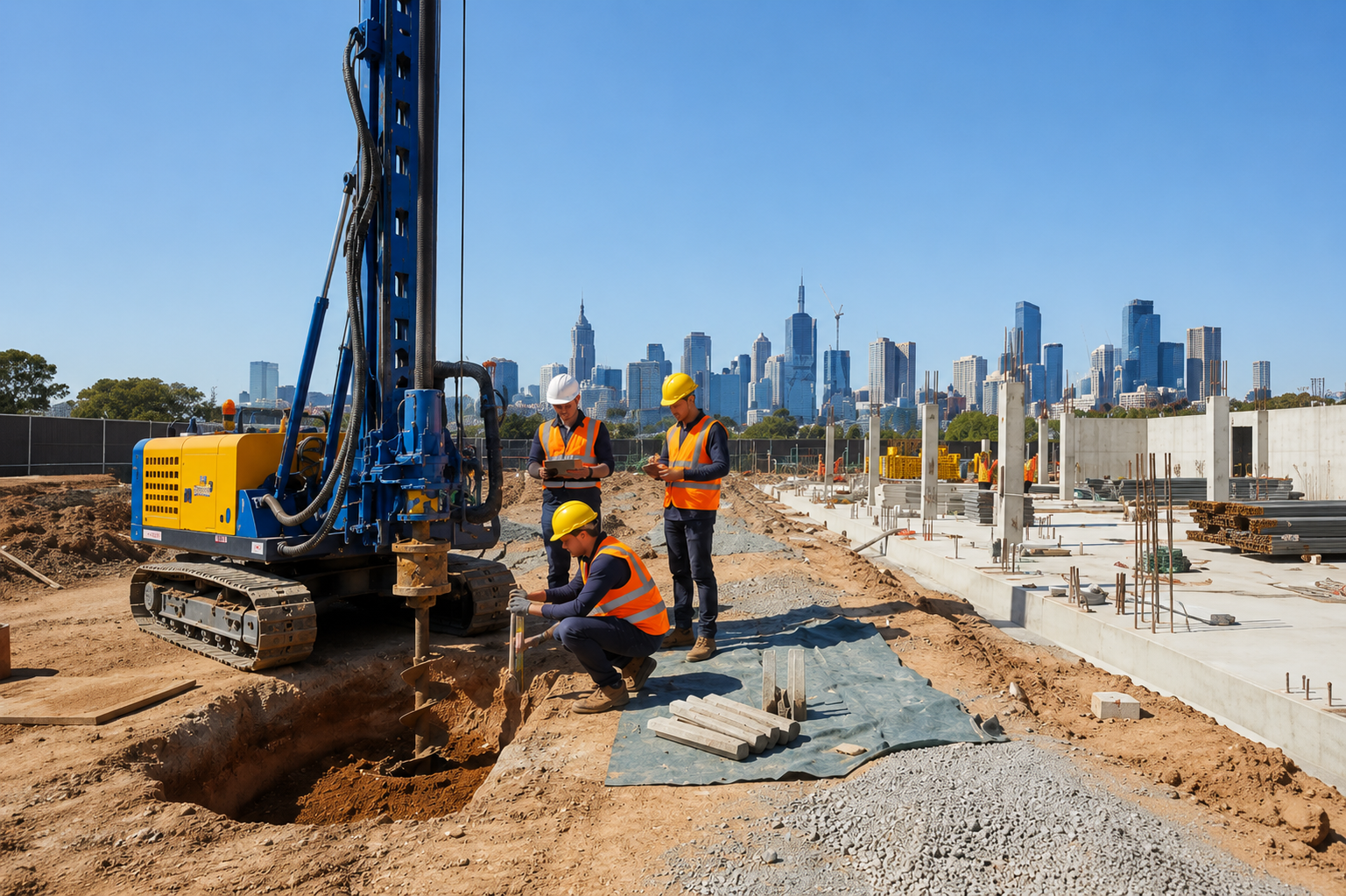
Every successful construction project begins with careful planning. Civil engineers assess the site, evaluate environmental conditions, and determine the most practical and cost-effective construction approach.
During the planning phase, engineers analyse factors such as:
- Site topography
- Soil and ground conditions
- Drainage requirements
- Traffic access
- Existing infrastructure
- Utility services
These assessments help identify potential challenges early, reducing delays and avoiding costly design changes later in the project.
Structural and Infrastructure Design
One of the primary responsibilities of civil engineers is designing the infrastructure that supports communities and businesses. Their work includes roads, drainage systems, retaining structures, car parks, subdivisions, foundations, and public utilities.
Engineers create detailed designs that comply with Australian Standards and local council regulations while ensuring long-term durability and public safety. They also coordinate with structural engineers, architects, and construction teams to integrate every component into the overall project.
As projects evolve, civil engineers frequently review and modify designs to accommodate changing site conditions, client requirements, or regulatory updates.
Stormwater Management Plans
Water management is a critical aspect of modern civil engineering. Without proper drainage, heavy rainfall can cause flooding, erosion, property damage, and environmental issues.
A comprehensive stormwater management plan is developed to control how rainwater flows across a construction site. Civil engineers design drainage systems that safely collect, store, treat, and discharge stormwater while minimising impacts on surrounding properties and waterways.
Stormwater management plans typically include:
- Surface drainage design
- Underground drainage networks
- Detention and retention systems
- Erosion and sediment control measures
- Flood mitigation strategies
- Water quality improvement solutions
Effective stormwater management protects infrastructure, complies with environmental regulations, and contributes to more sustainable urban development.
Pavement Design for Long-Term Performance
Roads, driveways, industrial yards, and car parks all require carefully engineered pavement systems. Civil engineers are responsible for pavement design, ensuring these surfaces can safely withstand traffic loads and environmental conditions over many years.
Pavement design involves analysing:
- Traffic volumes
- Vehicle loading
- Soil strength
- Material selection
- Drainage performance
- Expected pavement lifespan
Whether designing flexible asphalt pavements or rigid concrete pavements, engineers aim to deliver durable, cost-effective solutions that minimise future maintenance and repair costs.
Proper pavement design also improves road safety, driving comfort, and overall asset performance.
Bulk Earthworks Modelling
Before construction begins, the site often requires significant earthmoving to create suitable levels and foundations. Civil engineers use advanced software for bulk earthworks modelling to accurately calculate how much material needs to be excavated, filled, or relocated.
Bulk earthworks modelling helps determine:
- Cut and fill volumes
- Finished site levels
- Excavation requirements
- Material balancing
- Haulage optimisation
- Construction sequencing
Accurate modelling reduces unnecessary excavation, lowers transportation costs, and minimises environmental impacts. It also allows contractors to plan equipment usage more efficiently, helping projects stay on schedule and within budget.
Managing Construction Projects
Modern civil engineers remain involved throughout the construction process. They monitor progress, conduct inspections, resolve technical issues, and ensure construction complies with approved designs and relevant regulations.
Their responsibilities may include:
- Reviewing contractor work
- Coordinating with project stakeholders
- Verifying quality standards
- Managing engineering documentation
- Assessing design modifications
- Supporting regulatory approvals
Regular communication between engineers and construction teams helps identify potential issues early and keeps projects moving efficiently.
Sustainability in Civil Engineering
Sustainability has become a major focus in modern construction. Civil engineers design infrastructure that not only performs well today but also minimises environmental impacts for future generations.
This may involve using recycled construction materials, improving stormwater reuse, reducing earthworks, protecting natural waterways, and designing infrastructure that requires less maintenance over its lifetime.
By integrating sustainable engineering principles into every stage of a project, civil engineers help create resilient communities while supporting environmental conservation.
The Value of Civil Engineers
Civil engineers are essential to the success of modern construction projects. Their expertise extends well beyond technical design, encompassing planning, environmental management, infrastructure development, and construction supervision.
From preparing a detailed stormwater management plan to delivering efficient pavement design and accurate bulk earthworks modelling, civil engineers ensure projects are safe, practical, compliant, and economically viable. Their work helps transform concepts into reliable infrastructure that serves communities for decades.
Whether it’s a residential subdivision, commercial development, industrial facility, or public infrastructure project, experienced civil engineers provide the technical knowledge and innovative solutions needed to achieve successful, long-lasting outcomes.