
Understanding Soil Testing: The Foundation of Safe Construction
Every successful construction project begins with a strong foundation and that foundation starts long before concrete is poured. One of the most critical steps in the planning process is soil testing, also known as a geotechnical site investigation. Understanding the characteristics of the ground beneath a project helps engineers and builders make informed decisions that improve safety, reduce risks and save costs over the life of a structure.
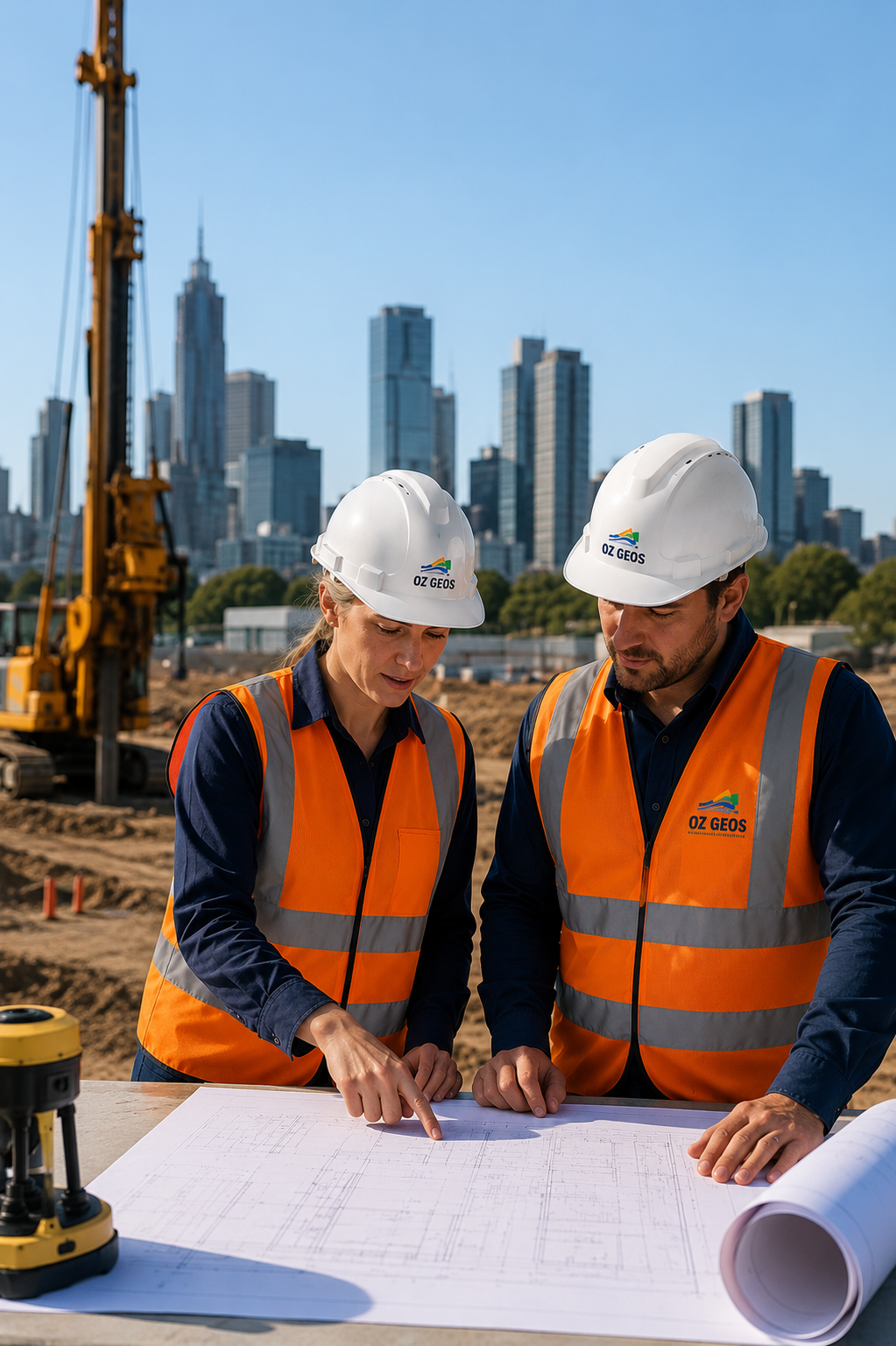
At Oz Geos, we provide comprehensive geotechnical engineering and soil testing services across Australia, helping developers, builders, architects, and property owners build with confidence.
What Is Soil Testing?
Soil testing is the process of examining the physical and engineering properties of the soil at a construction site. It involves collecting soil samples through field investigations and analysing them in laboratories to determine factors such as soil strength, density, moisture content, bearing capacity and settlement characteristics.
The information gathered allows geotechnical engineers to assess whether the soil is suitable for the proposed structure and recommend the most appropriate foundation design.
Without proper soil testing, construction projects can face serious structural issues that may lead to costly repairs, delays, or even complete failure.
Why Is Soil Testing Important?
Ensures Structural Safety
The stability of any building depends on the strength of the ground supporting it. Weak, loose, or highly reactive soils can cause foundations to shift, settle unevenly, or crack over time. Soil testing identifies these risks before construction begins, allowing engineers to design foundations that provide long-term stability.
Supports Cost-Effective Construction
Many people assume soil testing is an unnecessary expense, but it actually helps reduce overall project costs. By understanding the site’s ground conditions early, engineers can recommend the most suitable foundation system without overdesigning or under designing the structure. This minimises material costs, construction delays, and future maintenance expenses.
Identifies Potential Ground Hazards
Every site presents unique geological conditions. Soil investigations can reveal issues such as:
- Expansive clay soils
- Loose fill material
- High groundwater levels
- Rock layers
- Soft or compressible soils
- Soil contamination
Identifying these conditions early enables project teams to implement appropriate engineering solutions before construction starts.
Meets Regulatory Requirements
Many councils and regulatory authorities across Australia require geotechnical investigations before approving construction projects. A professional soil investigation report provides essential data that supports planning approvals and ensures compliance with Australian engineering standards.
The Soil Testing Process
A professional geotechnical investigation typically involves several stages:
1. Site Assessment
Engineers review the project requirements, site history, existing geological information and surrounding ground conditions.
2. Field Investigation
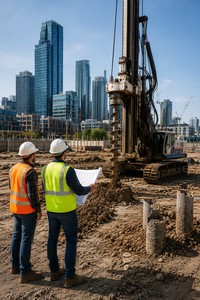
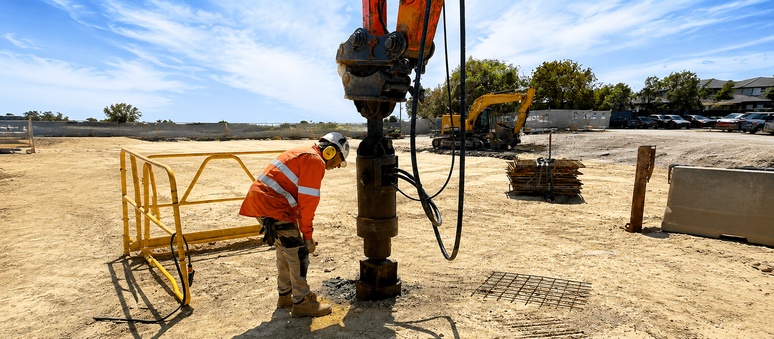
Specialised drilling equipment is used to collect soil samples from various depths. Depending on the project, techniques such as boreholes, test pits, or cone penetration testing may be performed.
3. Laboratory Testing
Collected samples undergo laboratory analysis to determine properties including:
- Soil classification
- Moisture content
- Particle size distribution
- Shear strength
- Compaction characteristics
- Bearing capacity
4. Engineering Analysis
Geotechnical engineers interpret the results and evaluate how the soil will behave under structural loads.
5. Geotechnical Report
A comprehensive report is prepared outlining soil conditions, identified risks and recommendations for foundation design, earthworks, drainage and site preparation.
When Should Soil Testing Be Conducted?
Soil testing should always be completed during the early planning stage of a project. It is recommended for:
- Residential home construction
- Multi-storey developments
- Commercial buildings
- Industrial facilities
- Infrastructure projects
- Retaining walls
- Road construction
- Subdivisions
Conducting investigations before finalising structural designs helps prevent unexpected site conditions from affecting project budgets and timelines.
Why Choose Oz Geos?
At Oz Geos, we combine extensive experience in geotechnical engineering, engineering geology, and structural engineering to deliver practical, reliable, and cost-effective ground investigation solutions.
Our experienced team works closely with builders, developers, architects, and consultants to provide accurate site assessments and tailored engineering recommendations. Using modern investigation techniques and industry-leading expertise, we help clients minimize risk while ensuring every project is built on a solid foundation.
From residential developments to large-scale infrastructure projects, Oz Geos is committed to delivering professional geotechnical services that support safe and sustainable construction across Australia.
Conclusion
Soil testing is far more than a regulatory requirement—it is a crucial investment in the safety, durability and success of any construction project. Understanding ground conditions before construction begins allows engineers to design appropriate foundations, reduce risks and avoid costly surprises.
Whether you’re planning a new home, commercial development, or major infrastructure project, partnering with experienced geotechnical professionals is the first step towards long-term structural success.
Contact Oz Geos today to learn how our expert soil testing and geotechnical engineering services can provide the confidence your next construction project deserves.