
Understanding Site Classification (Class A, S, M, H, E, P) in Australia!
When planning a construction project in Australia, one of the most critical early steps is determining your site classification. This classification, based on soil conditions, directly affects foundation design, construction cost, and long-term structural stability.
In this guide, we’ll break down everything you need to know about site classes A, S, M, H, E, and P, and why they matter for your project.
📌 What Is Site Classification?
Site classification is a system used to categorise soil based on its reactivity—how much it expands and contracts due to moisture changes.
In Australia, this classification is determined through a geotechnical investigation in accordance with AS 2870.
🏗️ Why Site Classification Matters
Your site class impacts:
- Foundation type and design
- Construction costs
- Risk of structural damage (cracks, movement)
- Compliance with building regulations
Ignoring this step can lead to serious structural issues and costly repairs later.
🔍 Site Classification Types Explained
🟢 Class A – Non-Reactive Soil


6
- Little to no ground movement
- Typically sand or rock
- Best-case scenario for builders
- Minimal foundation requirements
👉 Ideal for most construction projects with low risk.
🟢 Class S – Slightly Reactive Soil


5
- Slight movement with moisture changes
- Common in many residential areas
- Standard slab designs usually sufficient
👉 Moderate cost and low risk.
🟡 Class M – Moderately Reactive Soil


5
- Moderate ground movement
- Requires specific footing design
- Increased risk of minor cracking
👉 Needs careful engineering consideration.
🟠 Class H – Highly Reactive Soil


6
- High shrink-swell movement
- Common in clay-heavy areas
- Requires reinforced and deeper foundations
👉 Higher construction costs and engineering input.
🔴 Class E – Extremely Reactive Soil

6
- Very high ground movement
- Significant structural risk
- Specialised footing systems required
👉 Expensive and complex to build on.
⚫ Class P – Problem Site


6
- Problematic conditions such as:
- Fill soils
- Landslip areas
- Soft or unstable ground
- Salinity or erosion issues
- Requires site-specific engineering solutions
👉 Must be assessed individually by experts.
🧪 How Is Site Classification Determined?
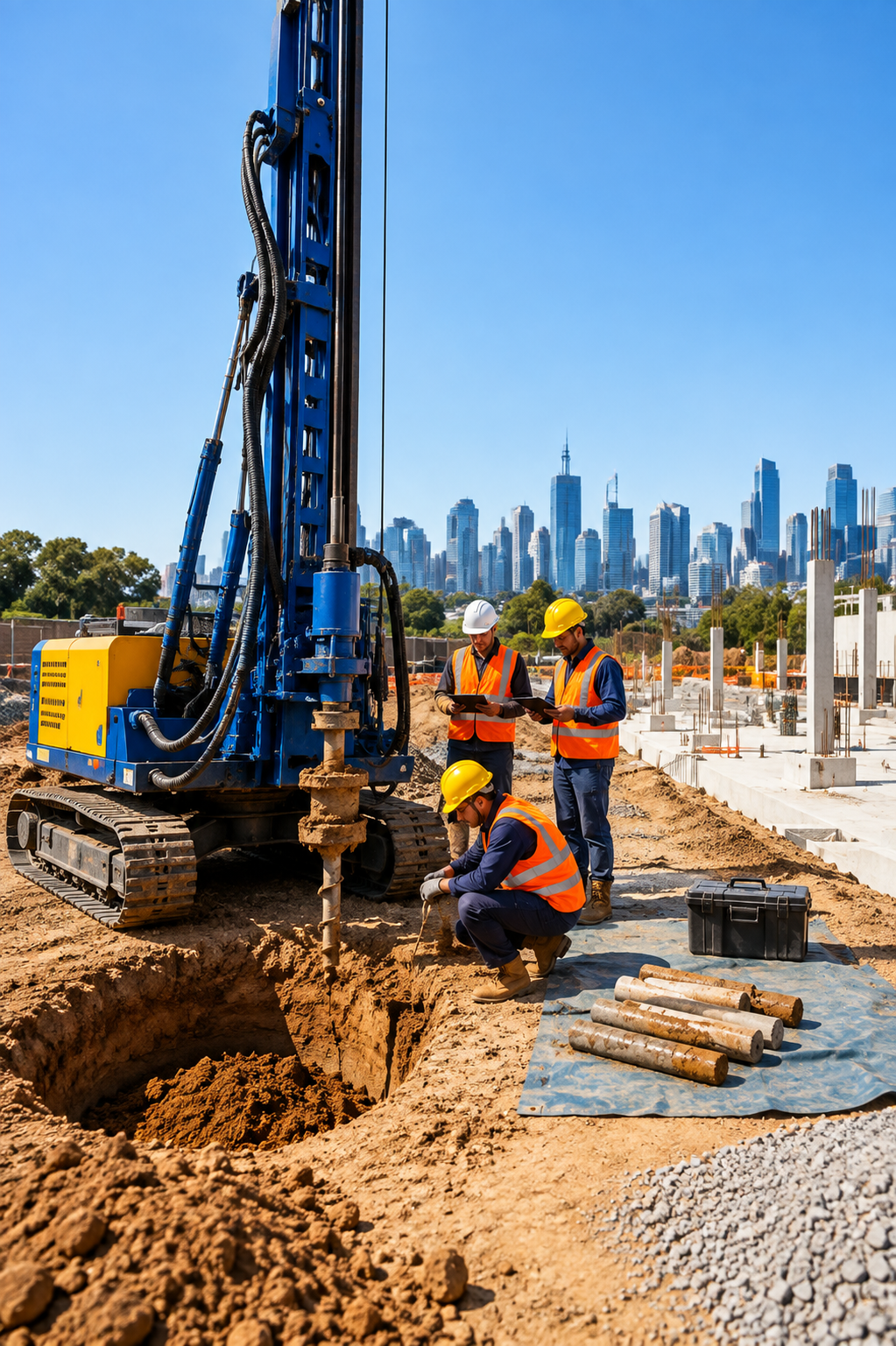
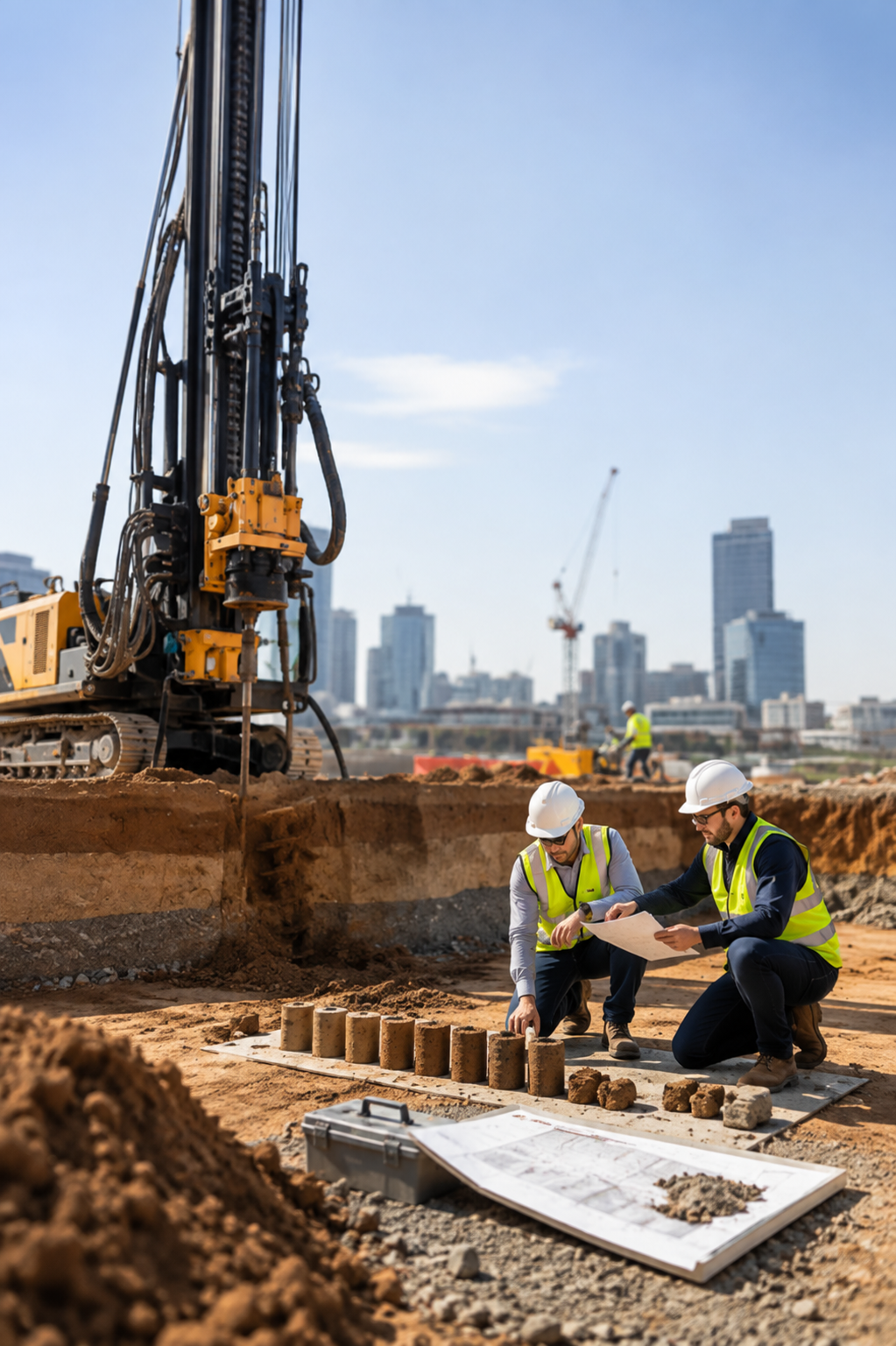
A geotechnical engineer (like the team at OzGeos) conducts:
- Soil sampling and borehole drilling
- Laboratory testing
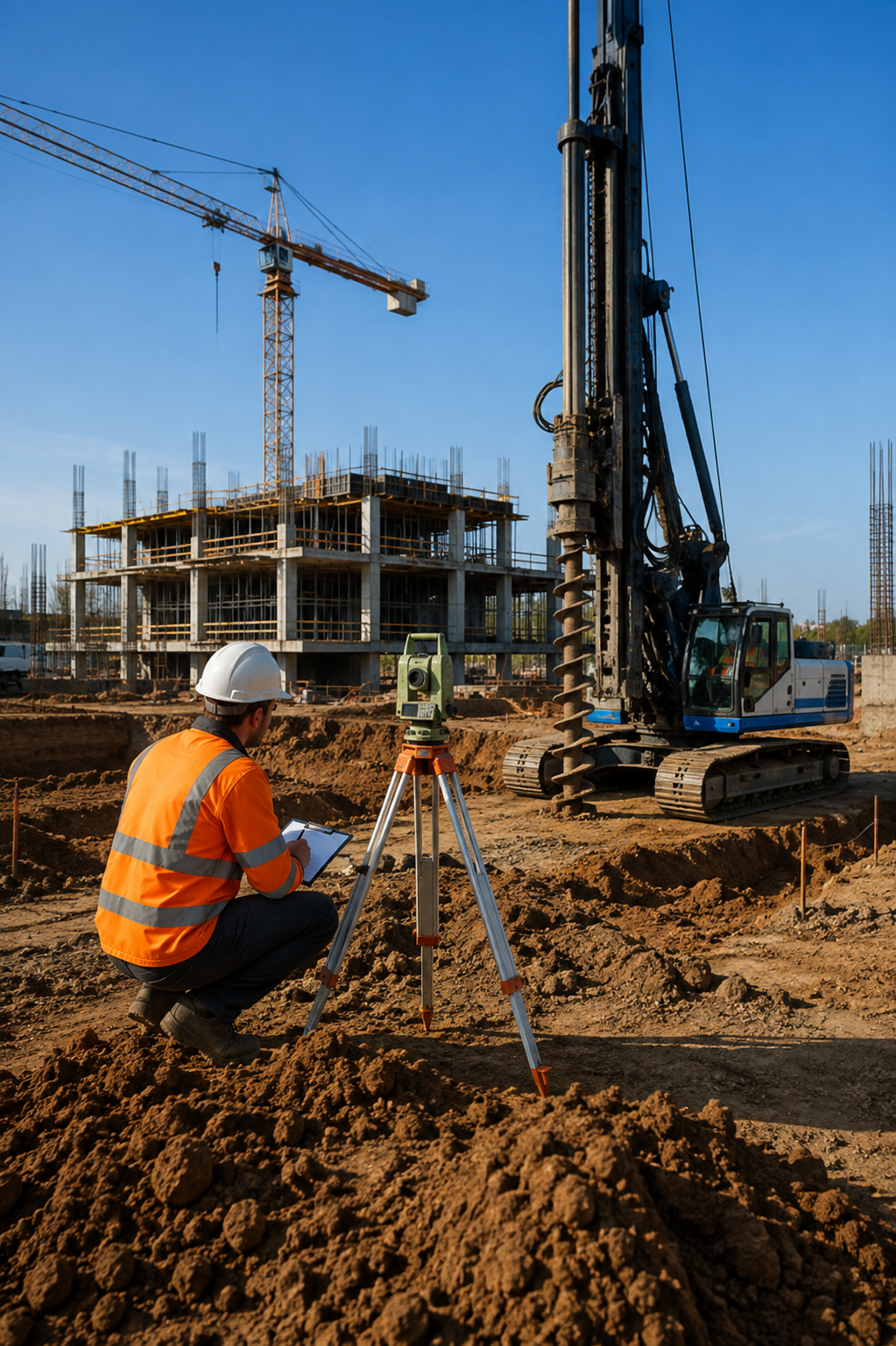
- Site inspection and analysis
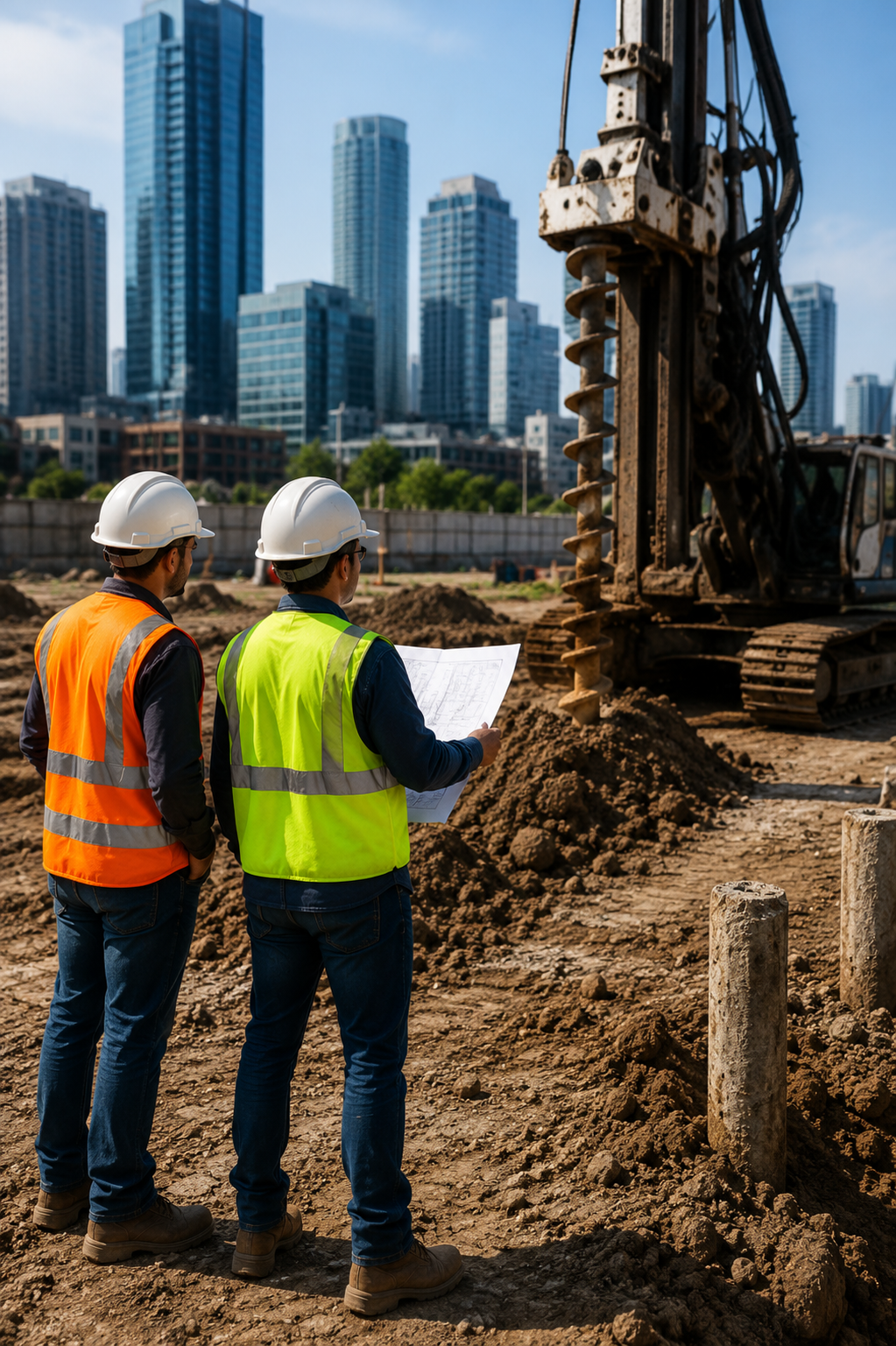
The results are compiled into a soil report, which builders and engineers use to design foundations.
💰 How Site Class Affects Construction Costs
- Class A & S → Lower costs (standard designs)
- Class M → Moderate cost increase
- Class H & E → High costs (reinforced systems)
- Class P → Variable (can be significantly expensive)
👉 The more reactive the soil, the more complex and costly the foundation.
⚠️ Common Mistakes to Avoid
- Skipping soil testing to save money
- Assuming neighbouring sites have the same soil
- Ignoring drainage and moisture control
- Not following engineering recommendations
🧠 Final Thoughts
Understanding site classification is not just a technical requirement—it’s a critical factor in ensuring your building is safe, stable, and cost-effective.
Before starting any construction project, always invest in a professional geotechnical investigation. It’s a small upfront cost that can save you from major structural problems in the future.