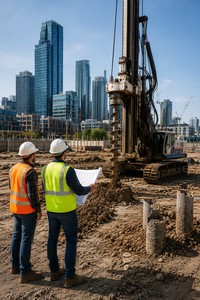
Geotechnical Engineering for Commercial Developments
In modern construction, success begins below the surface. Geotechnical engineering plays a vital role in commercial developments by ensuring that the ground beneath a structure is safe, stable, and capable of supporting long-term performance. From office buildings and shopping centres to industrial facilities, every commercial project relies on strong foundations—and that starts with expert geotechnical analysis.
What is Geotechnical Engineering?
Geotechnical engineering is a specialized branch of civil engineering that focuses on understanding soil, rock, and groundwater behavior. It involves studying the physical properties of the ground to determine how it will interact with structures built on it. This process helps engineers design safe and efficient foundations while preventing issues like settlement, instability, or structural failure.
Why It Matters in Commercial Projects
Commercial developments are typically larger and more complex than residential projects. They involve heavier loads, deeper foundations, and stricter safety requirements. Without proper geotechnical assessment, these structures can face serious risks such as uneven settlement, soil movement, or water-related damage.
Ground conditions are often one of the biggest uncertainties in any development. A thorough geotechnical investigation helps identify potential risks early, allowing developers to plan effectively, control costs, and avoid unexpected challenges during construction .
Key Geotechnical Services for Commercial Developments
1. Site Investigation and Soil Testing
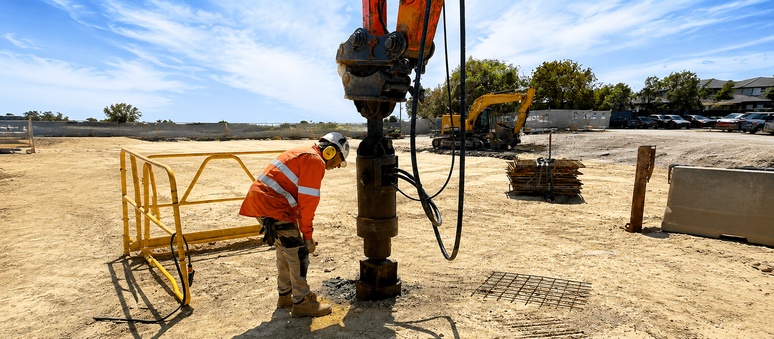
Before construction begins, geotechnical engineers conduct detailed site investigations. This includes drilling boreholes, collecting soil samples, and performing laboratory tests. These steps help determine soil strength, density, and bearing capacity, which are critical for foundation design.
2. Foundation Design
Based on soil conditions, engineers recommend the most suitable foundation type. Commercial projects often require deep foundations such as piles or caissons to support heavy loads and ensure stability .
3. Groundwater Assessment
Water levels beneath the surface can significantly impact construction. Geotechnical experts assess groundwater conditions to prevent flooding, erosion, or damage to foundations.
4. Slope Stability and Earthworks
For sites with uneven terrain, engineers analyze slope stability and design safe excavation and grading plans. This ensures the site remains secure during and after construction.
5. Risk Assessment and Mitigation
Geotechnical engineering identifies risks such as weak soils, contamination, or previous land use issues. Addressing these risks early helps prevent costly delays and structural problems later.
Benefits of Geotechnical Engineering
Improved Safety
Proper analysis ensures that structures are built on stable ground, reducing the risk of collapse or long-term damage.
Cost Efficiency
Early identification of ground issues allows for better budgeting and avoids expensive redesigns or repairs during construction.
Regulatory Compliance
Commercial projects must meet strict building codes. Geotechnical reports provide essential data to support approvals and compliance.
Long-Term Performance
A well-designed foundation increases the durability and lifespan of a building, minimizing maintenance costs over time.
Challenges in Commercial Developments
Many commercial sites are located on brownfield land or previously developed areas. These sites may have unstable soil, hidden contamination, or irregular ground conditions. Geotechnical engineering helps evaluate these challenges and develop safe solutions before construction begins .
Additionally, modern urban projects often involve deep excavations, underground structures, and high-rise buildings. These factors make geotechnical expertise even more critical for ensuring structural integrity and protecting nearby infrastructure.
The Future of Geotechnical Engineering
With rapid urbanization and increasing demand for commercial infrastructure, geotechnical engineering is evolving quickly. Advanced technologies such as AI-driven soil analysis, real-time monitoring systems, and improved testing methods are enhancing accuracy and efficiency. These innovations are helping engineers deliver safer, more sustainable, and cost-effective solutions for commercial developments .
Conclusion
Geotechnical engineering is the foundation of every successful commercial development. By understanding ground conditions, managing risks, and designing reliable foundations, it ensures that projects are safe, efficient, and built to last. For developers, investing in expert geotechnical services is not just a technical requirement—it is a strategic decision that determines the success of the entire project.
At OzGeos.com, we specialize in delivering tailored geotechnical solutions for commercial developments, helping you build with confidence from the ground up.