Geotechnical Engineering for Commercial Developments: What You Need to Know
Commercial construction projects require careful planning, accurate design, and a strong understanding of ground conditions. From office buildings and retail centres to warehouses and industrial facilities, every development depends on stable ground. This is where geotechnical engineering for commercial developments plays a vital role.
Geotechnical engineers investigate the soil, rock, groundwater, and other subsurface conditions at a site. They use this information to help project teams design safe, practical, and cost-effective structures.
Why Geotechnical Engineering Matters for Commercial Projects
Commercial developments often involve large structures, heavy loads, deep excavations, retaining walls, and complex foundation systems. Poor ground conditions can create serious construction challenges if engineers do not identify them early.
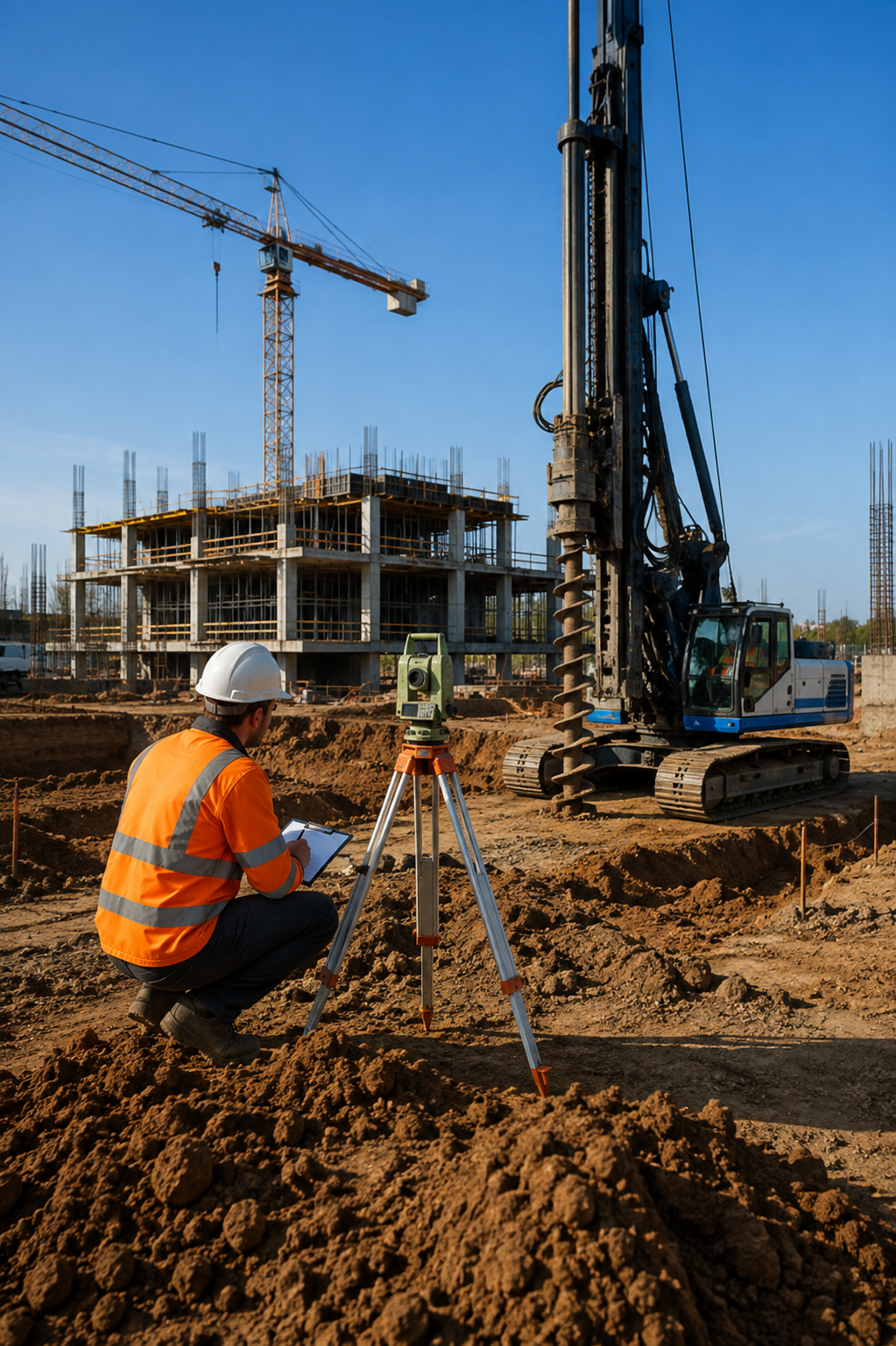
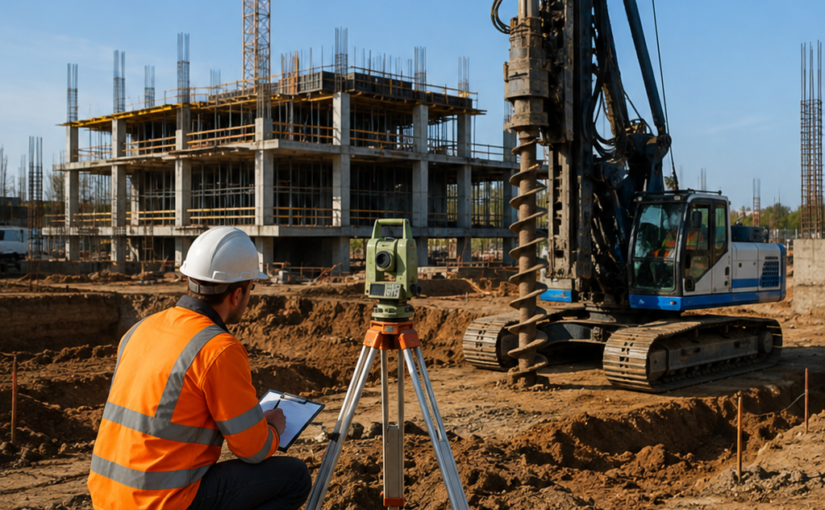
A professional geotechnical investigation helps developers understand the site before construction begins. Engineers collect soil and rock samples, perform field testing, and assess groundwater conditions. They then use the results to provide recommendations for foundation design and construction.
This early assessment can help prevent unexpected ground-related problems, construction delays, and expensive remedial work.
Understanding Ground Conditions
Every construction site has different ground conditions. Two nearby properties can have completely different soil profiles and groundwater levels.
Geotechnical engineers assess important factors such as:
- Soil type and strength
- Soil bearing capacity
- Groundwater levels
- Rock conditions
- Settlement potential
- Slope stability
- Excavation conditions
- Potential ground movement
These findings give structural engineers and designers the information they need to develop suitable foundation and structural solutions.
Choosing the Right Foundation System
One of the most important contributions of geotechnical engineering involves foundation design. Commercial buildings can place significant loads on the ground, so engineers need to select a foundation system that can safely support those loads.
Depending on site conditions and building requirements, engineers may recommend shallow foundations, footings, slabs, piles, or other foundation solutions.
Geotechnical recommendations allow structural engineers to design foundations based on actual ground conditions rather than assumptions. This approach improves structural reliability and can also help control construction costs.
Managing Excavation and Groundwater Risks
Commercial developments may require substantial excavation for basements, car parks, services, or foundations. Excavation can become challenging when projects encounter weak soils, unstable ground, or groundwater.
Geotechnical engineers assess these risks and recommend appropriate construction methods. They can provide advice on excavation support, temporary works, retaining systems, groundwater management, and slope stability.
Early planning helps contractors manage site conditions safely and reduces the likelihood of costly construction interruptions.
Reducing Construction Risks and Costs
A detailed geotechnical investigation can provide significant financial benefits. When developers understand the ground conditions before construction, they can make better decisions about foundations, excavation, materials, and construction methods.
Without proper investigation, unexpected conditions may force project teams to redesign foundations or change construction methods during the project. These changes can increase costs and cause delays.
Geotechnical engineering therefore supports better project planning and helps developers reduce avoidable risks.
Supporting Sustainable Commercial Development
Geotechnical engineering can also contribute to more sustainable construction. Engineers can help project teams optimise foundation designs, reduce unnecessary excavation, and use construction materials more efficiently.
By understanding the natural ground conditions, developers can avoid over-engineering and select solutions that suit the specific site. This can reduce material consumption, construction waste, and overall environmental impact.
When Should You Engage a Geotechnical Engineer?
Developers should involve a geotechnical engineer as early as possible in the planning process. Early investigation gives the project team enough time to incorporate geotechnical recommendations into architectural, structural, and civil designs.
A geotechnical assessment can provide valuable information during site selection, concept design, planning approvals, detailed design, and construction.
Conclusion
Geotechnical engineering for commercial developments provides the foundation for informed and reliable construction decisions. By investigating soil, rock, groundwater, and other subsurface conditions, geotechnical engineers help developers understand risks and select appropriate design and construction solutions.
Whether you are planning an office building, warehouse, retail centre, industrial facility, or other commercial project, a professional geotechnical investigation can improve safety, control costs, reduce construction risks, and support long-term building performance.