
A Beginner’s Guide to Engineering Reports for Construction Projects
Engineering reports are essential documents in any construction project. They provide detailed technical information, guide decision-making, and ensure that a project is safe, cost-effective, and compliant with regulations. If you are new to construction or engineering, understanding these reports can seem overwhelming. This beginner-friendly guide will help you understand what engineering reports are, why they matter, and what they typically include.
What is an Engineering Report?
An engineering report is a professional document prepared by engineers to present findings, analysis, and recommendations related to a construction project. It gathers data from site investigations, laboratory tests, and design calculations and translates them into practical guidance for builders, architects, and project managers.
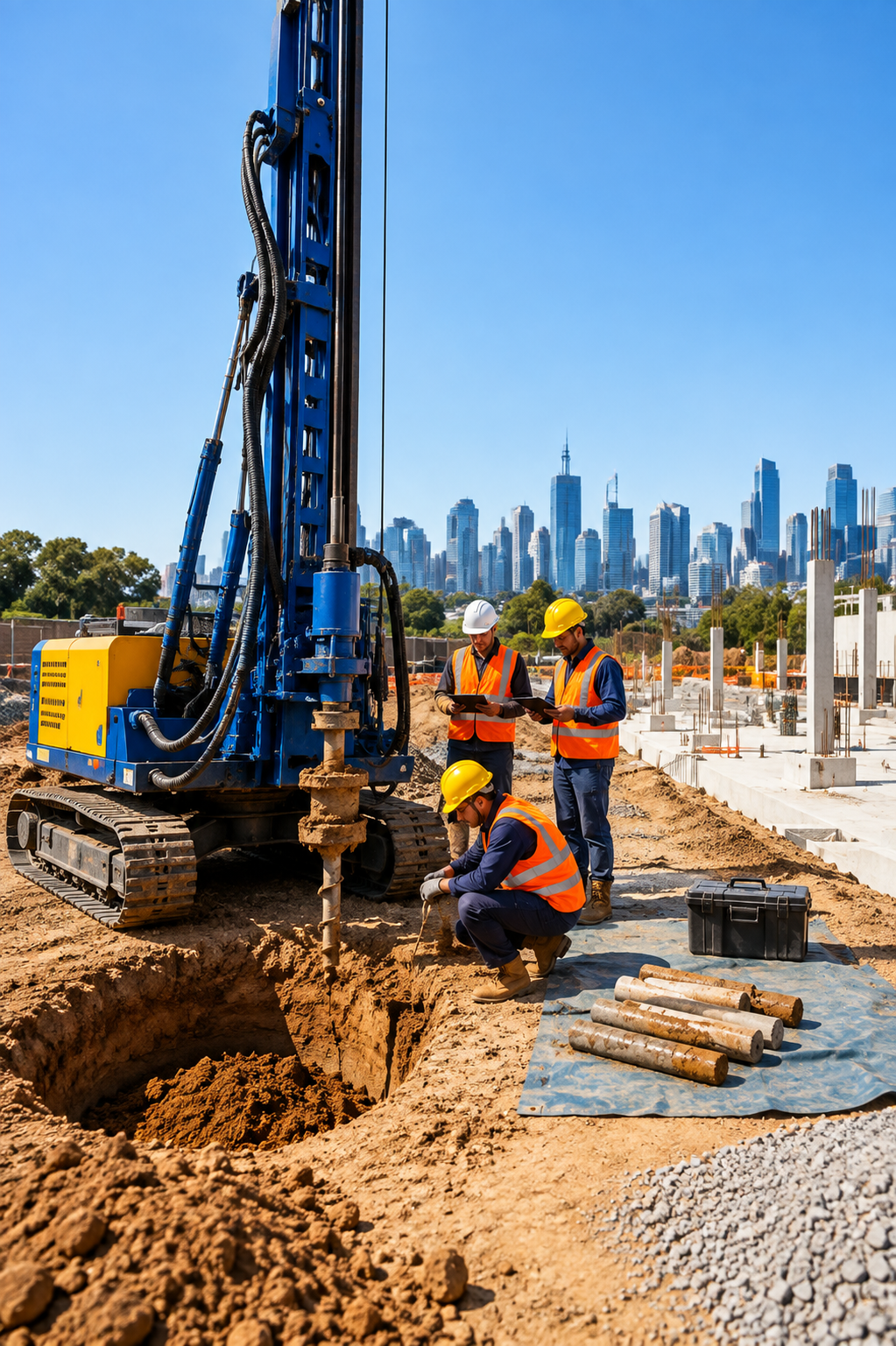
For example, geotechnical reports—one of the most important types—analyze soil, rock, and groundwater conditions to determine how a structure should be built safely.
Why Engineering Reports Are Important
Engineering reports play a critical role in construction projects for several reasons:
- Safety Assurance: They identify potential risks such as weak soil or unstable ground conditions.
- Design Guidance: Engineers use the data to decide foundation types, materials, and construction methods.
- Cost Control: Proper analysis helps avoid unexpected issues that can increase project costs.
- Regulatory Compliance: Many building authorities require engineering reports before approving construction.
Without a proper report, projects rely on assumptions—which can lead to structural failures or costly delays.
Types of Engineering Reports in Construction
There are several types of engineering reports used in construction projects, including:
- Geotechnical Reports: Focus on soil and subsurface conditions.
- Structural Reports: Analyze the strength and stability of structures.
- Environmental Reports: Assess environmental impact and compliance.
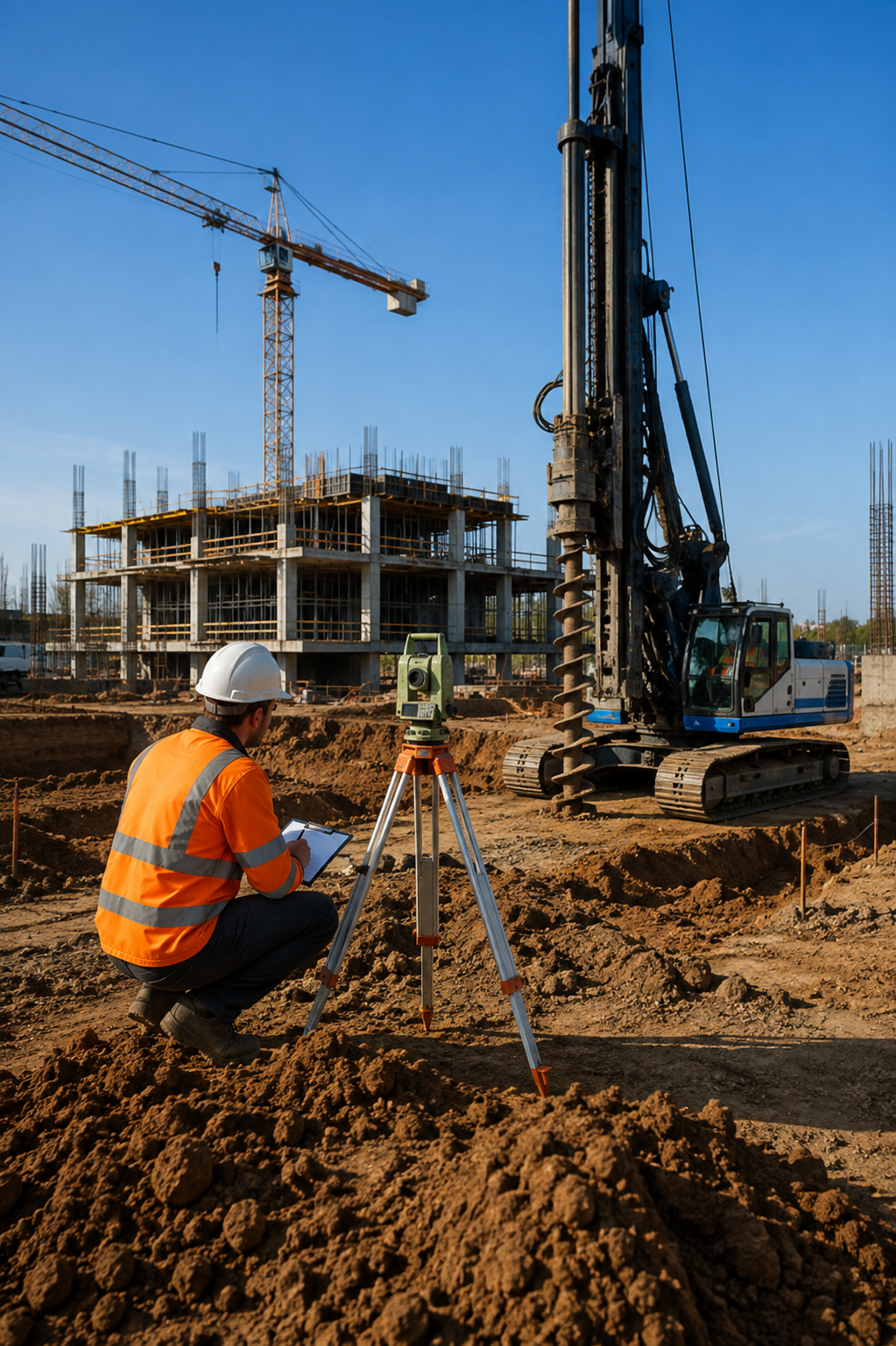
- Site Investigation Reports: Provide data from field surveys and testing.
Among these, geotechnical reports are often the foundation for all other design decisions.
Key Components of an Engineering Report
Although formats may vary, most engineering reports follow a structured layout. Here are the main sections you can expect:
1. Project Overview
This section describes the project, including location, scope, and objectives. It helps readers understand the purpose of the report.
2. Scope of Work
It outlines what investigations or analyses were performed, such as soil testing, surveys, or structural assessments.
3. Methodology
This explains how the data was collected. For example, in geotechnical reports, it may include drilling boreholes, collecting samples, and conducting laboratory tests.
4. Data and Findings
This section presents the collected data, such as soil properties, groundwater levels, or material strengths. Boring logs and lab results are often included here.
5. Analysis
Engineers interpret the data to understand site conditions and predict how materials will behave under different loads and conditions.
6. Recommendations
This is one of the most important sections. It provides practical guidance, such as:
- Suitable foundation types
- Load-bearing capacity
- Drainage solutions
- Construction precautions
These recommendations directly influence design and construction decisions.
7. Limitations
Engineering reports often include limitations that explain assumptions or conditions where the findings may not apply.
How to Read an Engineering Report
For beginners, engineering reports can seem technical. Here are a few tips to make them easier to understand:
- Start with the executive summary to get an overview.
- Focus on the recommendations section, as it contains actionable insights.
- Review diagrams and charts to better understand technical data.
- Don’t hesitate to consult an engineer if something is unclear.
Conclusion
Engineering reports are the backbone of successful construction projects. They transform complex technical data into clear, actionable guidance that ensures safety, efficiency, and compliance. Whether you are a developer, contractor, or property owner, understanding these reports will help you make smarter decisions and avoid costly mistakes.
At OzGeos.com, we specialize in delivering accurate and reliable engineering reports tailored to your construction needs. With the right expertise and clear reporting, your project can move forward with confidence.