Why Geotechnical Site Investigation Is Essential Before Construction
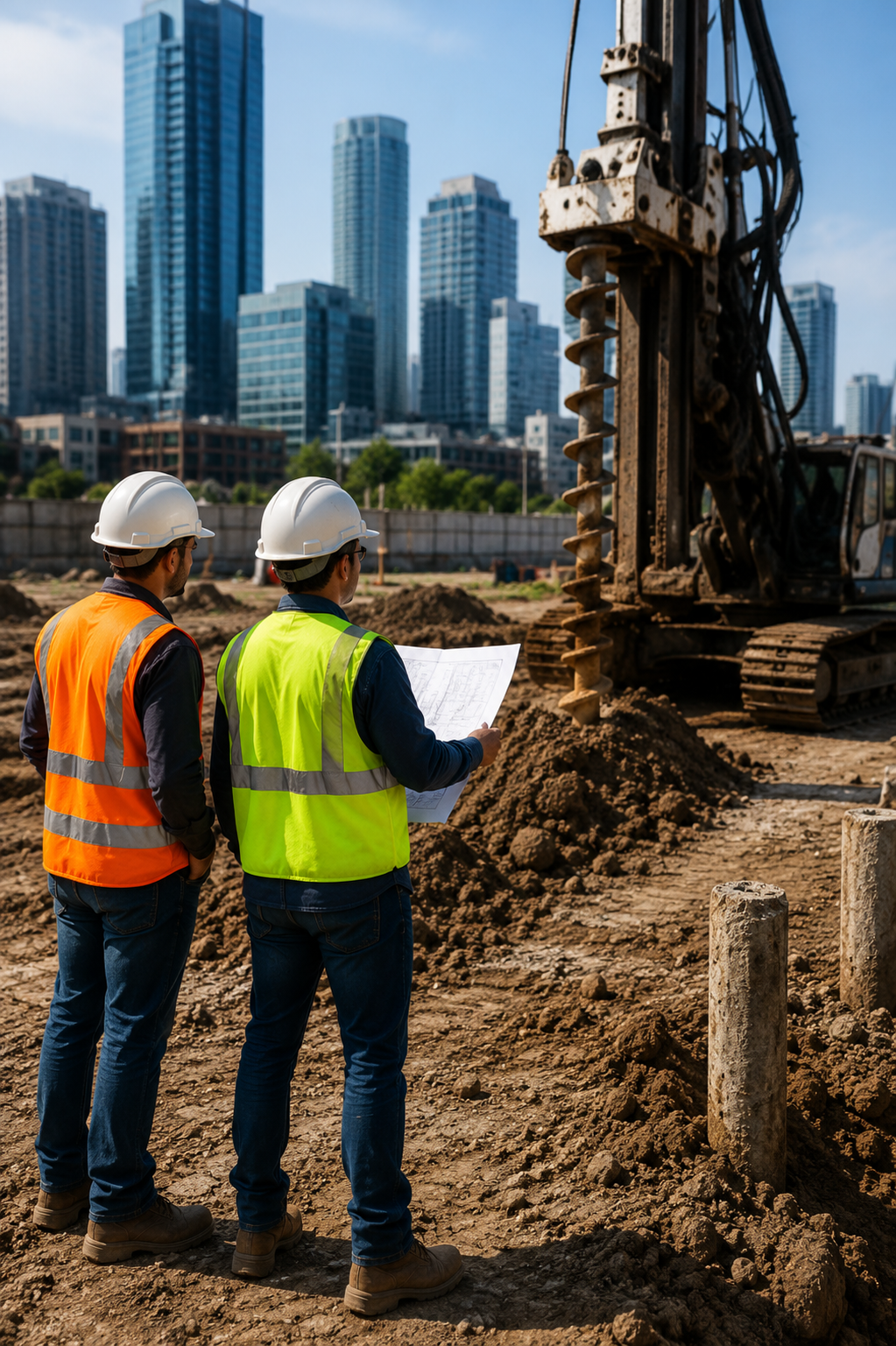
Every construction project begins with a strong understanding of the ground beneath it. Before designing foundations, roads, commercial buildings, or other structures, engineers need to know how the soil and rock will behave. A geotechnical site investigation provides this essential information and helps construction teams make safer, more informed decisions.
Ignoring ground conditions can lead to foundation problems, construction delays, unexpected costs, and structural damage. By investigating the site before construction begins, project owners and engineers can identify potential risks early and develop suitable solutions.
What Is a Geotechnical Site Investigation?
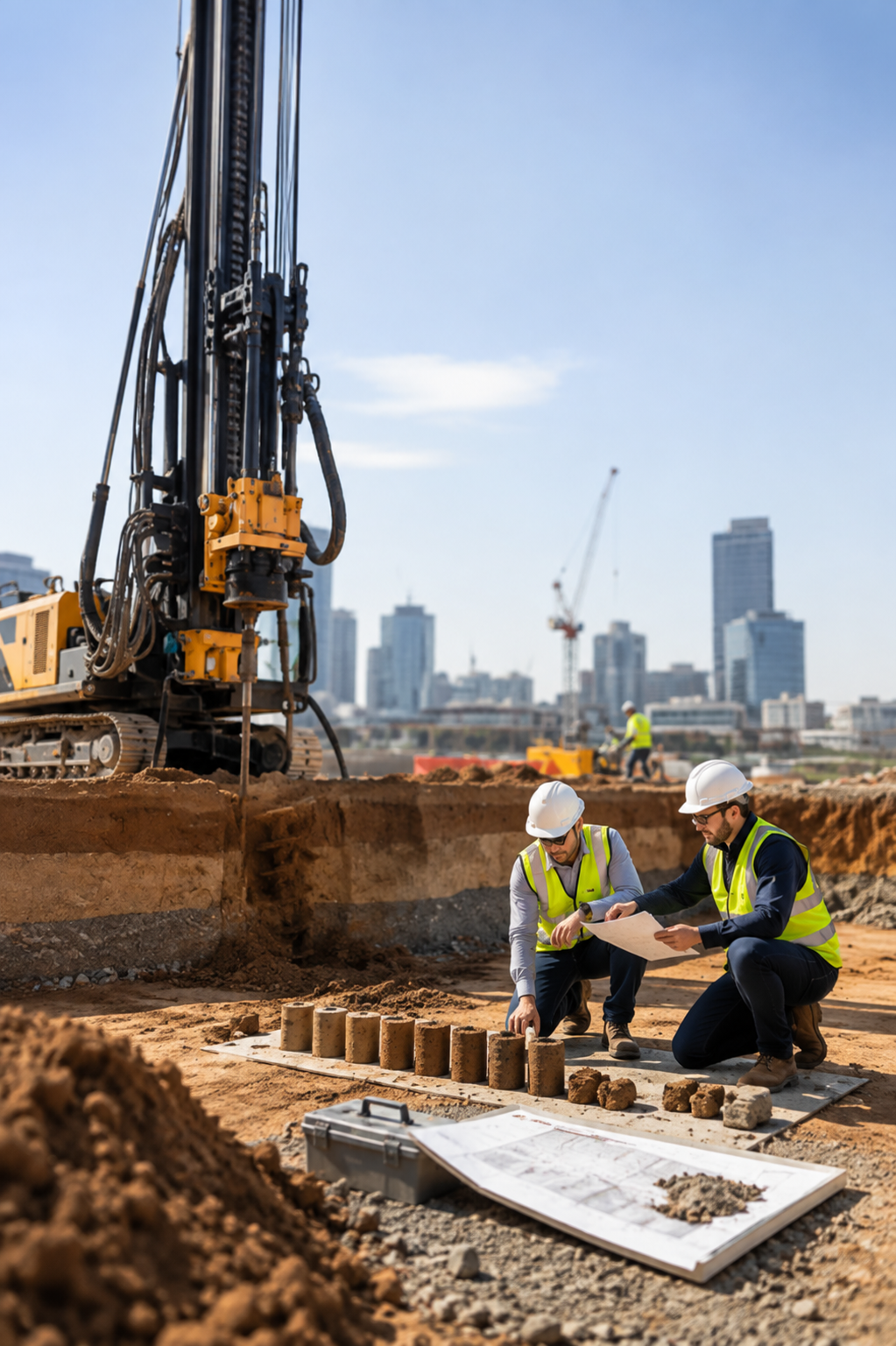
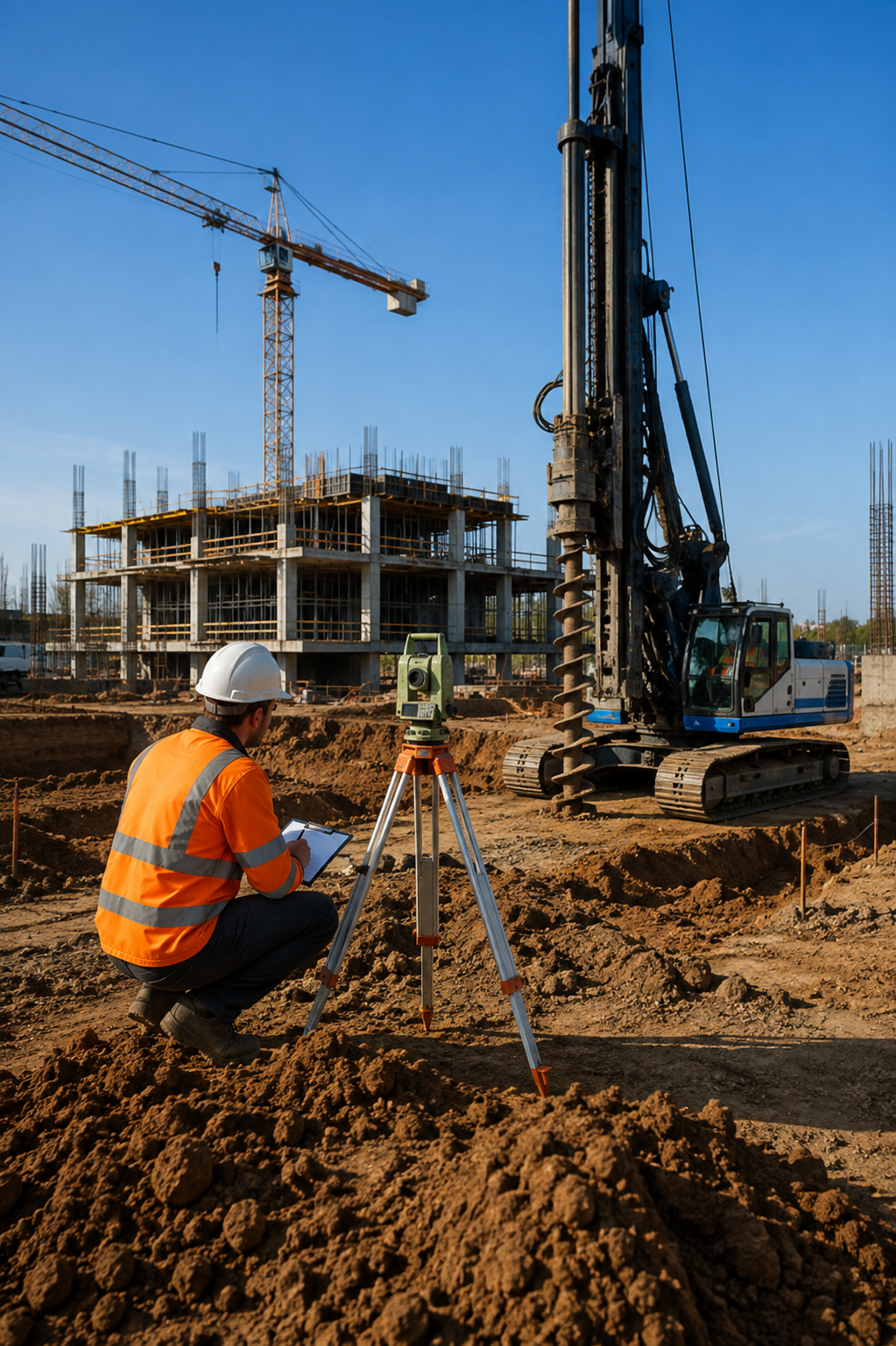
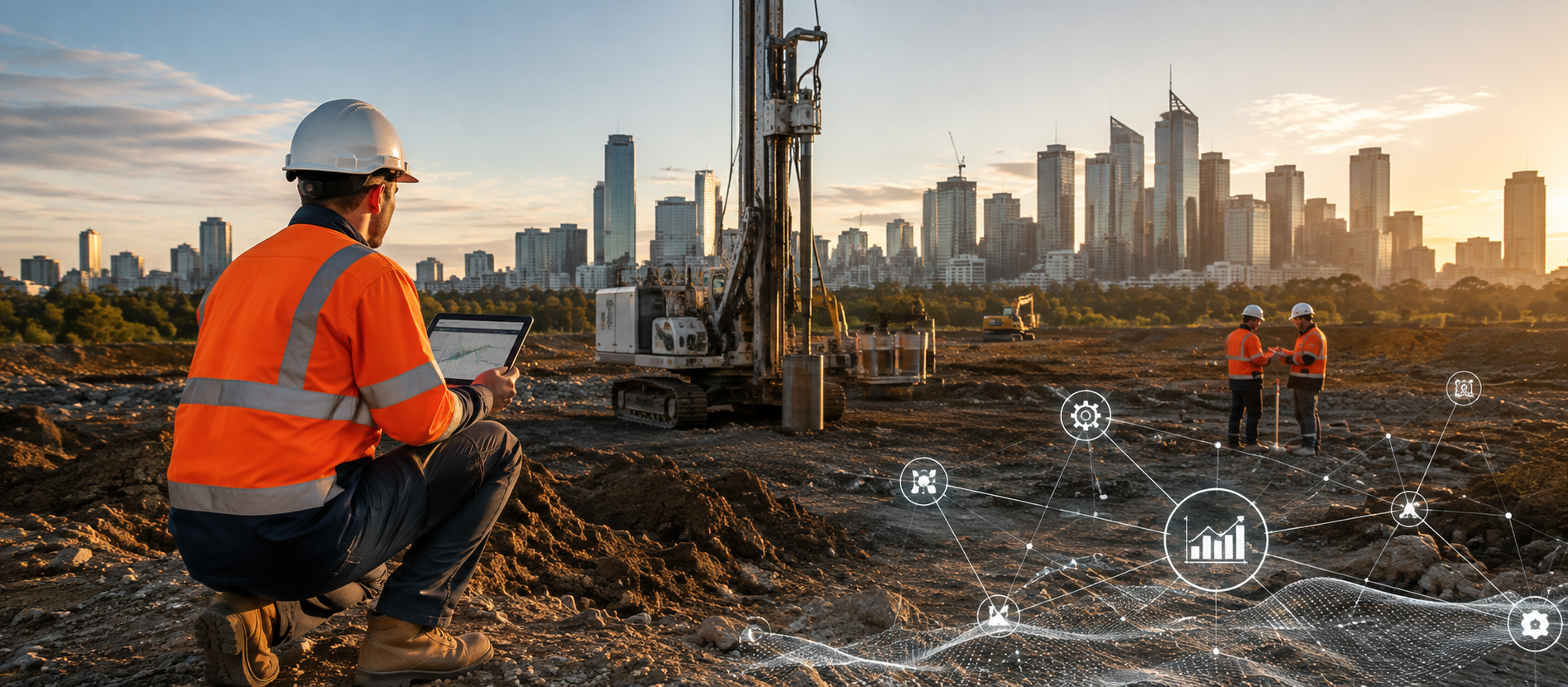
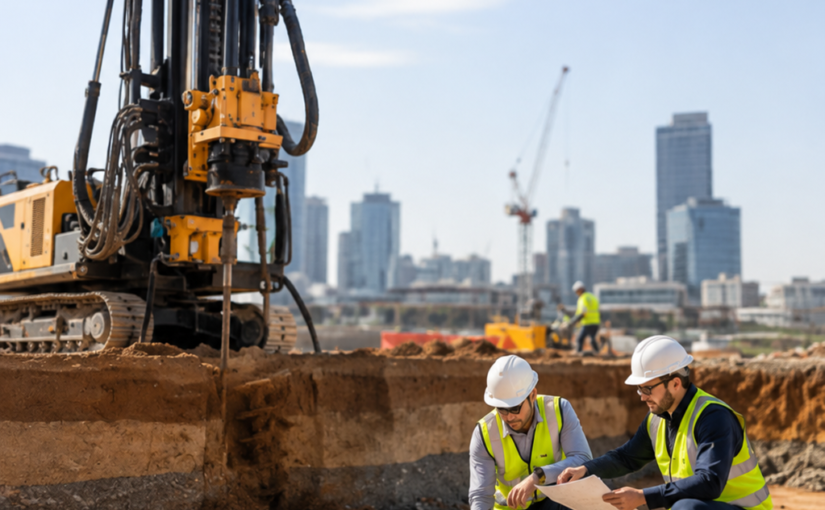
A geotechnical site investigation examines the soil, rock, groundwater, and other subsurface conditions at a proposed construction site. Engineers collect information through methods such as borehole drilling, soil sampling, field testing, and laboratory analysis.
The investigation helps engineers understand important ground characteristics, including:
- Soil type and strength
- Groundwater conditions
- Soil density and compaction
- Bearing capacity
- Settlement potential
- Rock conditions
- Potential geotechnical hazards
Engineers then use these findings to prepare a geotechnical report that guides the design and construction process.
Why Is Geotechnical Investigation Important?
1. Helps Design Safer Foundations
Foundations transfer building loads into the ground. If engineers do not understand the soil conditions, they may select an improper foundation system.
A proper investigation provides information about soil strength and bearing capacity. Engineers can use these results to design foundations that safely support the proposed structure.
2. Identifies Ground-Related Risks
Different sites can contain different ground conditions, even when they sit close to each other. Weak soils, expansive clay, uncontrolled fill, loose sand, or shallow groundwater can create construction challenges.
A geotechnical site investigation helps identify these conditions before construction starts. Engineers can then recommend appropriate measures to reduce potential risks.
3. Reduces Unexpected Construction Costs
Ground-related problems often become expensive when construction teams discover them after work begins. Unexpected excavation requirements, soil replacement, foundation changes, or groundwater management can increase project costs.
Early investigation gives project teams better information for planning budgets and construction methods. This approach can reduce costly surprises and improve overall project efficiency.
4. Supports Efficient Structural Design
Geotechnical information allows structural and civil engineers to design according to actual site conditions. Instead of relying on assumptions, engineers can select suitable foundation systems and construction techniques based on reliable ground data.
This collaboration can improve both safety and construction efficiency.
5. Helps Manage Groundwater Conditions
Groundwater can significantly affect excavation, foundations, retaining structures, and underground construction. An investigation can identify groundwater levels and provide valuable information for construction planning.
Engineers can use this information to develop suitable drainage, dewatering, and waterproofing strategies when required.
When Should You Conduct a Site Investigation?
Project owners should conduct a geotechnical investigation during the early planning and design stages. Completing the investigation before finalising foundation designs gives engineers time to address potential ground issues without disrupting construction.
The investigation scope should match the project’s size, complexity, and site conditions. Large commercial developments, industrial facilities, infrastructure projects, and challenging sites may require more detailed investigation.
Build With Better Ground Information
A strong construction project depends on more than good architectural and structural design. It also requires a clear understanding of the ground beneath the site.
A geotechnical site investigation helps engineers identify soil conditions, assess potential risks, design suitable foundations, and plan construction more effectively. By investing in proper ground investigation before construction, project owners can improve safety, control costs, and reduce the likelihood of unexpected problems.
For any construction project, understanding the ground first is one of the most important steps toward building safely and successfully.