The Future of Geotechnical Engineering in Australia
Geotechnical engineering plays a vital role in shaping Australia’s infrastructure, from highways and tunnels to high-rise buildings and renewable energy projects. As the nation continues to grow and urbanize, the future of geotechnical engineering in Australia is becoming more dynamic, technology-driven, and sustainability-focused.
Growing Demand Driven by Infrastructure and Urbanisation
Australia is experiencing rapid population growth and urban expansion. This is increasing the demand for large-scale infrastructure. Key projects include transport networks, housing developments, and underground construction. Population growth and urbanisation are shaping the future of the construction industry. The demand for transport infrastructure and major projects is also continuing to rise.
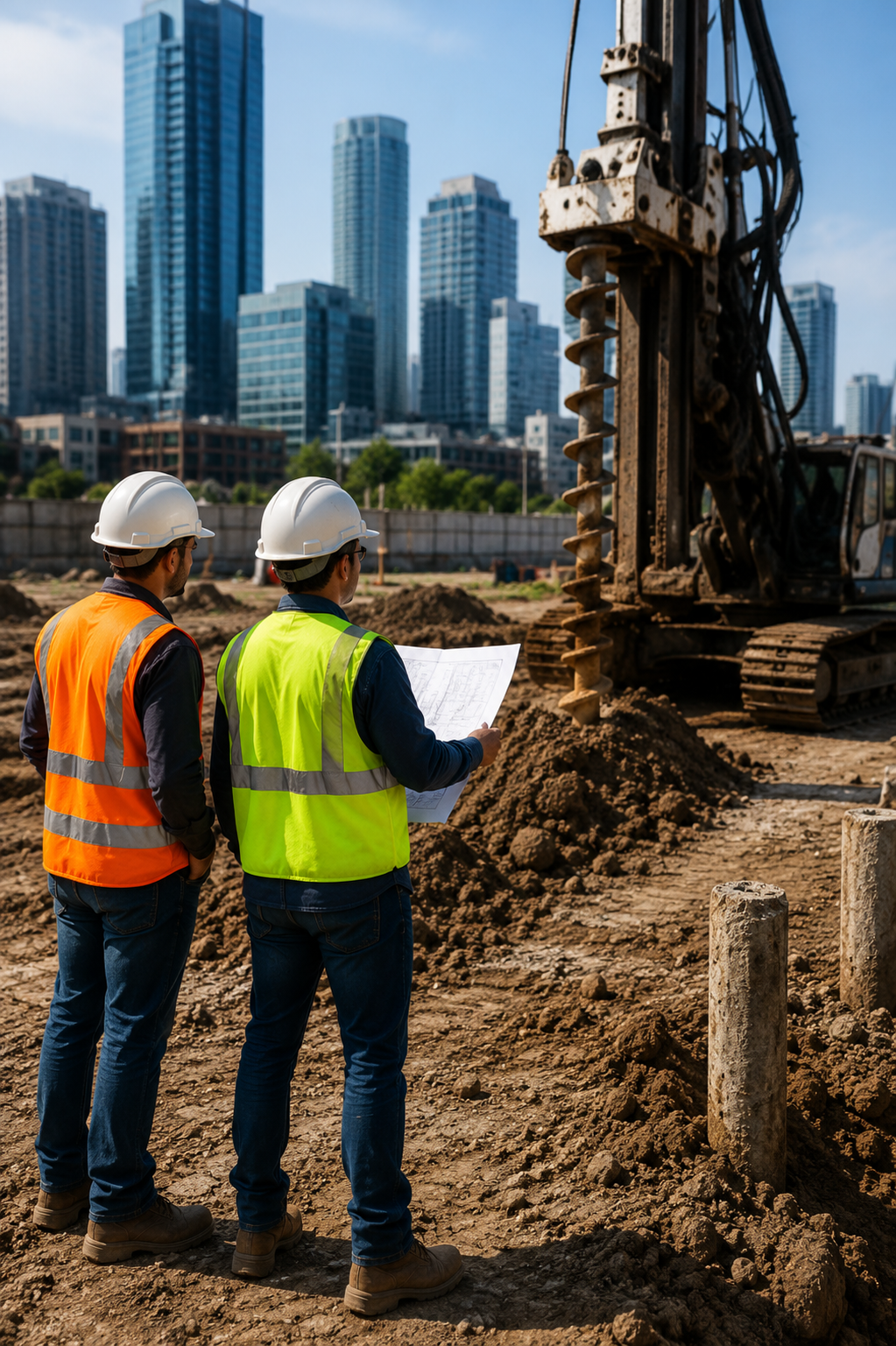
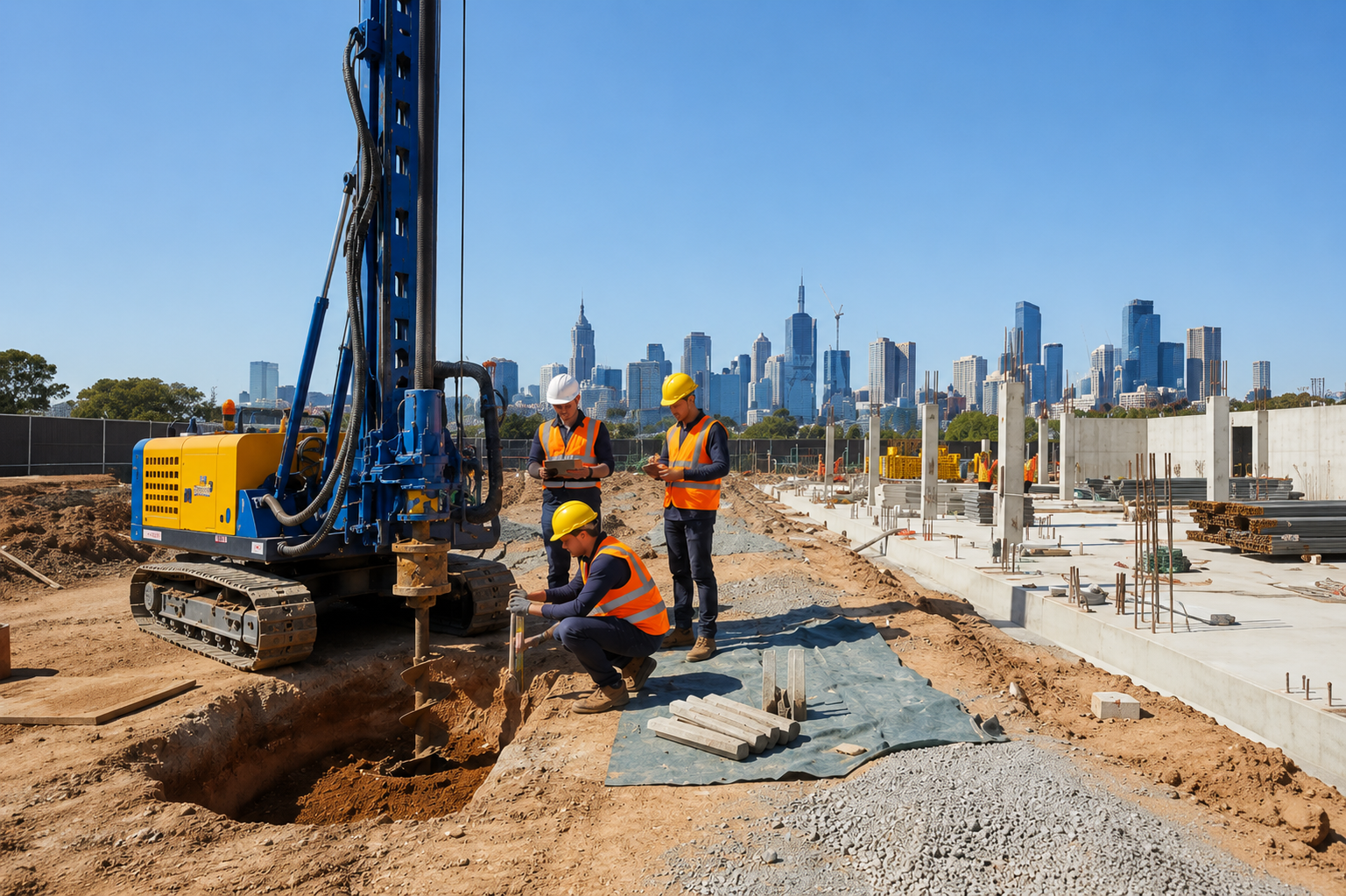
Geotechnical engineers are essential in these developments, as they analyse soil and rock conditions to ensure safe and stable foundations. Their expertise is especially critical in complex projects such as tunnels, bridges, and coastal developments, where ground conditions can significantly impact design and construction outcomes.
Technology Transforming the Industry
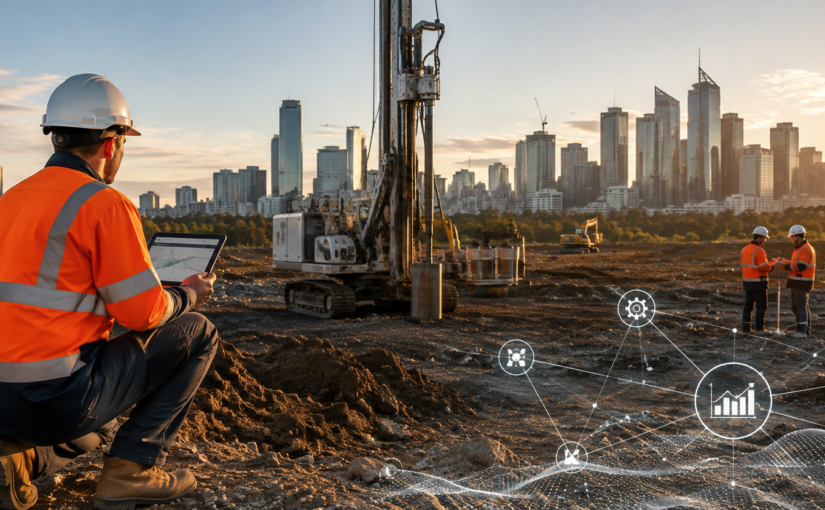
One of the biggest shifts in geotechnical engineering is the adoption of advanced technologies. Engineers increasingly use artificial intelligence (AI), machine learning, and digital modelling to improve the accuracy and efficiency of ground analysis. These tools help engineers predict soil behaviour, assess risks, and optimise designs more effectively than traditional methods.
Engineers also use advanced numerical modelling and 3D simulations to visualise subsurface conditions and test different scenarios before construction begins. Emerging technologies, such as domain-adapted AI models, help engineers improve interpretation, automate processes, and make better decisions throughout geotechnical workflows.
In the coming years, digital twins, real-time monitoring systems, and remote sensing technologies will further revolutionize how geotechnical investigations are conducted across Australia.
Sustainability and Climate Resilience
Sustainability is another major factor shaping the future of geotechnical engineering. With Australia moving towards net-zero emissions and climate-resilient infrastructure, geotechnical engineers must design solutions that minimise environmental impact while ensuring long-term stability.
Climate change is influencing soil conditions, groundwater levels, and coastal stability. As a result, engineers are focusing more on environmental geotechnics, renewable energy projects (such as wind farms and solar installations), and sustainable construction practices. Innovative materials and energy geotechnics are expected to see strong growth in the coming years.
This shift means geotechnical engineers will play a key role in developing infrastructure that can withstand extreme weather events, flooding, and rising sea levels.
Addressing Workforce Challenges
Despite the growing demand, Australia faces a shortage of skilled engineers, including geotechnical specialists. Industry reports warn that ongoing workforce shortages could impact the country’s ability to deliver major infrastructure and sustainability projects.
Additionally, there is a lack of specialized education pathways in engineering geology and geotechnics, which may limit the future talent pool.
To address this, collaboration between universities, industry, and government is essential. Expanding training programs, promoting STEM education, and encouraging diversity in engineering careers will be crucial for building a strong future workforce.
Increased Focus on Risk Management and Safety
Recent infrastructure challenges in Australia have highlighted the importance of thorough geotechnical investigation and risk management. Unexpected ground conditions can lead to costly delays and safety risks, making early-stage site analysis more important than ever.
Modern geotechnical engineering is evolving beyond basic site testing to include detailed analysis of site history, surrounding conditions, and predictive modelling. This comprehensive approach helps reduce risks and improve project outcomes.
Collaboration and Global Integration
The future of geotechnical engineering in Australia will also involve greater collaboration across disciplines and international borders. Engineers are increasingly working with environmental scientists, data analysts, and construction specialists to deliver integrated solutions.
Global partnerships and knowledge sharing are helping Australian engineers stay at the forefront of innovation, ensuring that best practices and new technologies are adopted efficiently.
Conclusion
The future of geotechnical engineering in Australia is bright but challenging. With rising infrastructure demands, rapid technological advancements, and increasing environmental pressures, the role of geotechnical engineers is more important than ever.
By embracing innovation, focusing on sustainability, and addressing workforce challenges, the industry is well-positioned to support Australia’s growth and development in the decades ahead. For companies like OzGeos.com, staying ahead of these trends will be key to delivering high-quality, future-ready geotechnical solutions.