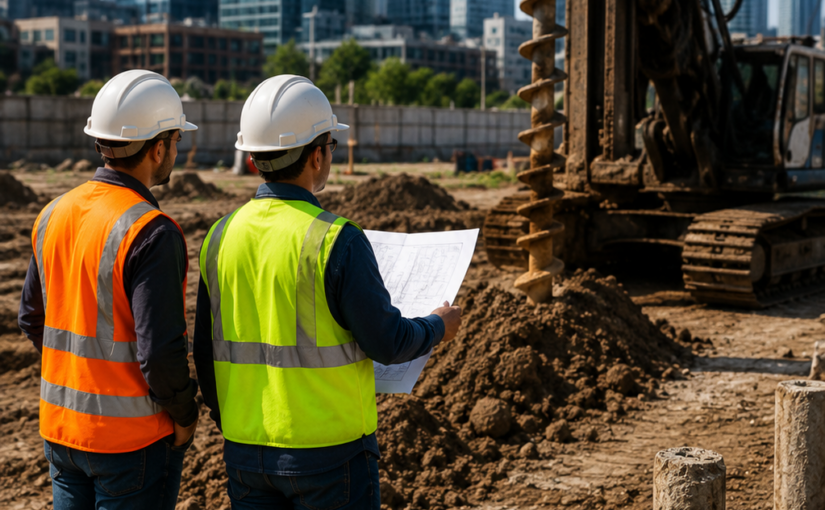
What to Expect During a Geotechnical Site Investigation
Before any construction project begins, understanding the ground beneath is essential. A geotechnical site investigation helps engineers assess soil, rock, and groundwater conditions to ensure safe and cost-effective design. Whether you’re planning a residential build or a large commercial project, knowing what to expect during this process can help you prepare better.
Why Geotechnical Site Investigation Matters
Every site has unique ground conditions. Even locations that are close to each other can contain completely different soil types, which affect foundation stability and construction methods. A geotechnical site investigation identifies these conditions early, reduces risks, prevents costly surprises, and helps engineers build structures on solid ground.
Step 1: Initial Planning and Desk Study
The process begins with a detailed review of existing information. Engineers collect data such as geological maps, previous reports, and site history. This stage helps identify potential issues like contamination, groundwater conditions, or unstable soil.
A site visit may also be conducted to visually assess terrain, drainage, and access conditions. This helps refine the scope of the investigation.
Step 2: Site Inspection and Fieldwork Preparation
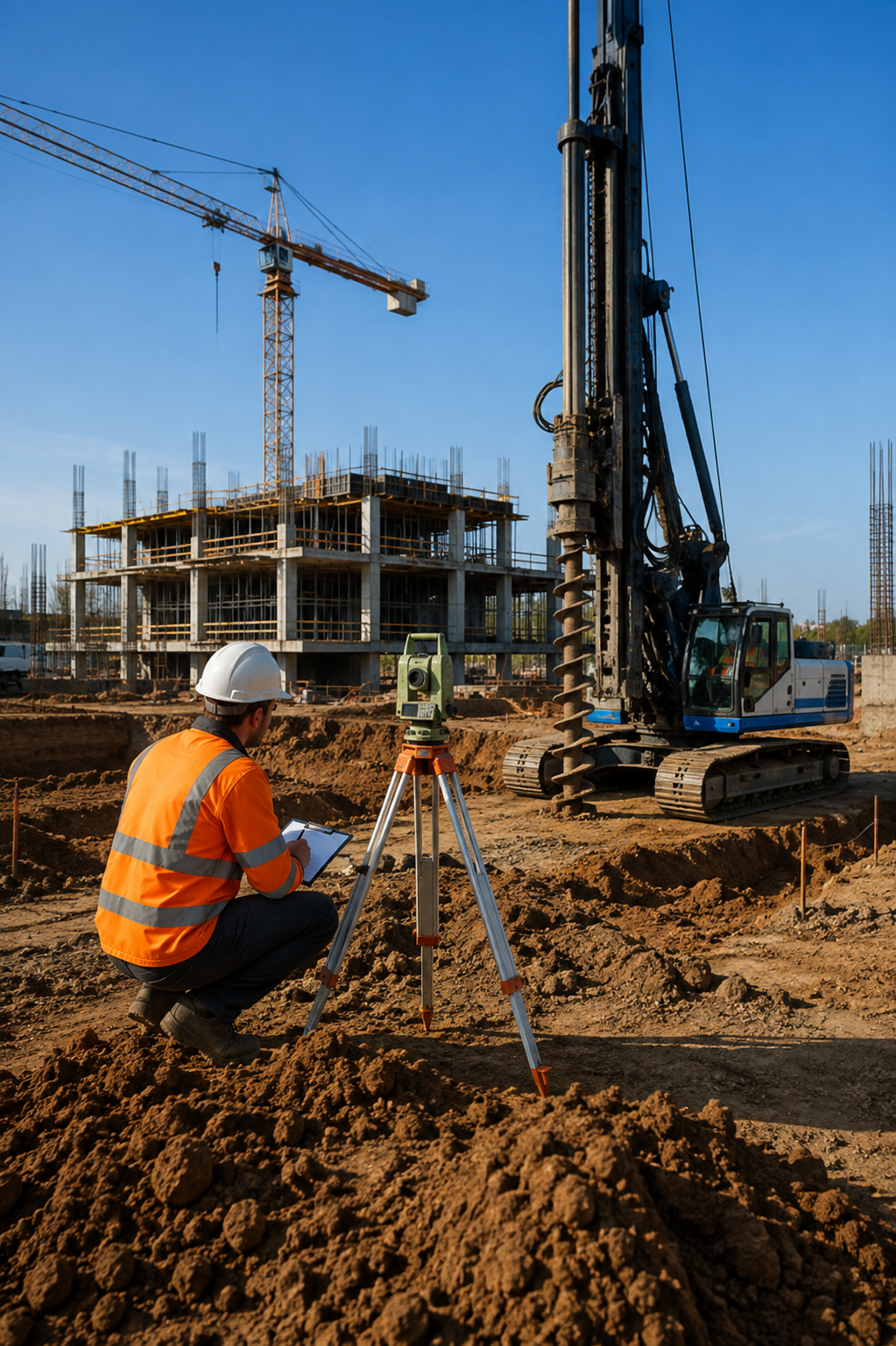
Once the planning phase is complete, geotechnical engineers visit the site for a physical inspection. They evaluate surface conditions such as slopes, vegetation, and existing structures.
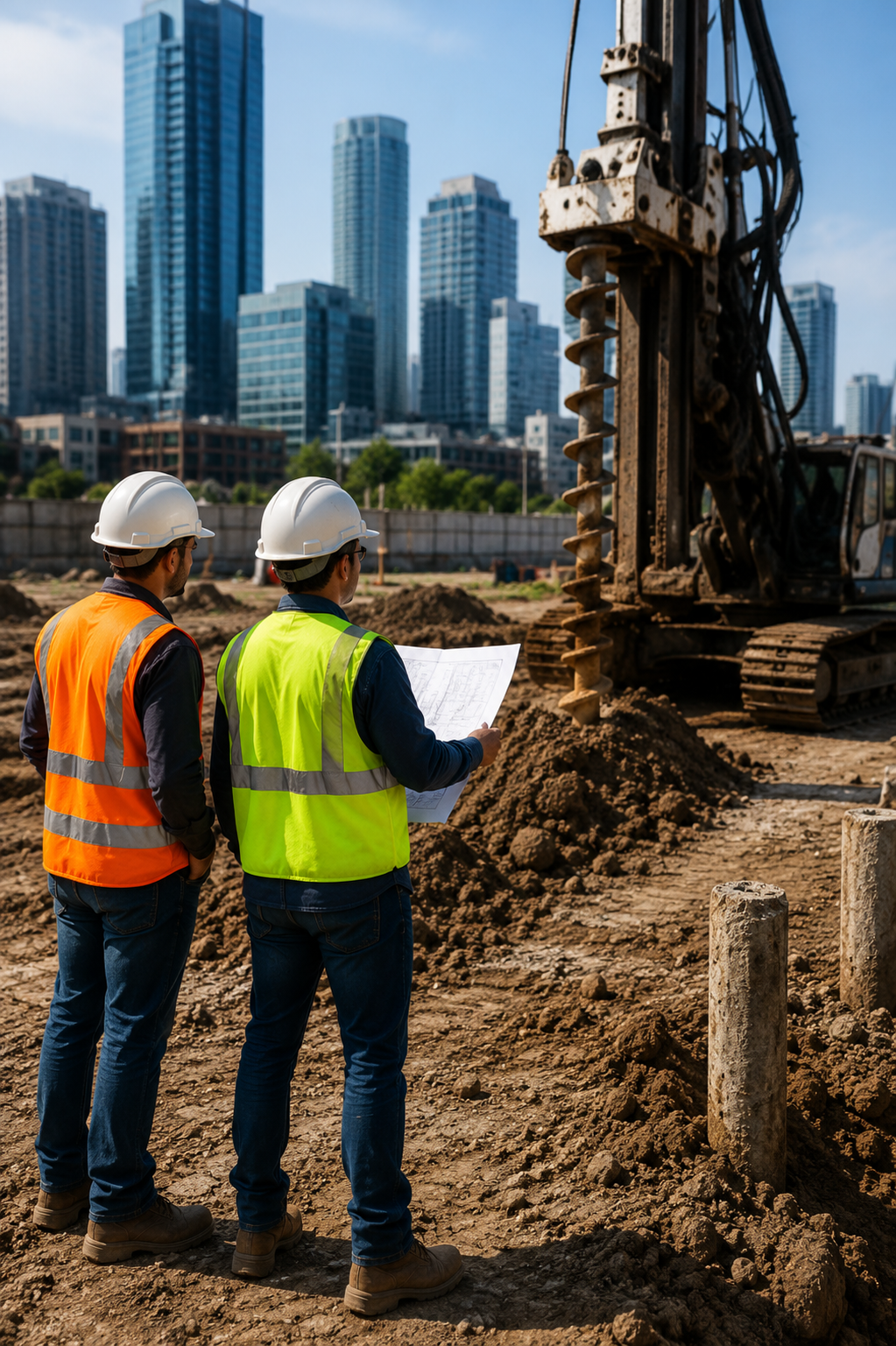
Based on this assessment, a detailed investigation plan is created. This includes deciding how many boreholes are needed, where they will be placed, and how deep they will go.
Step 3: Subsurface Exploration
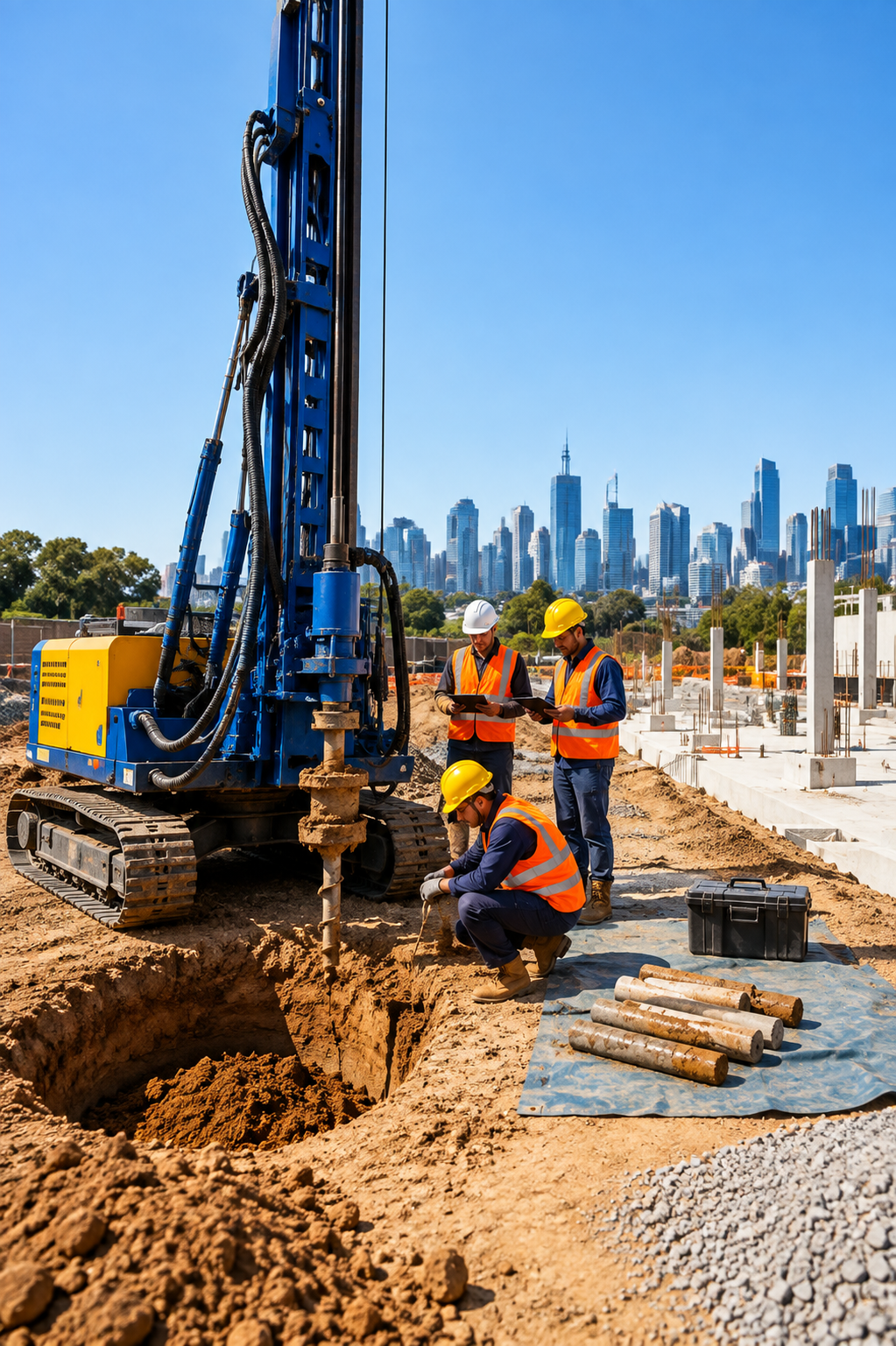
This is one of the most important stages of the investigation. Engineers explore what lies beneath the surface using techniques such as:
- Borehole drilling
- Test pits
- Cone penetration testing (CPT)
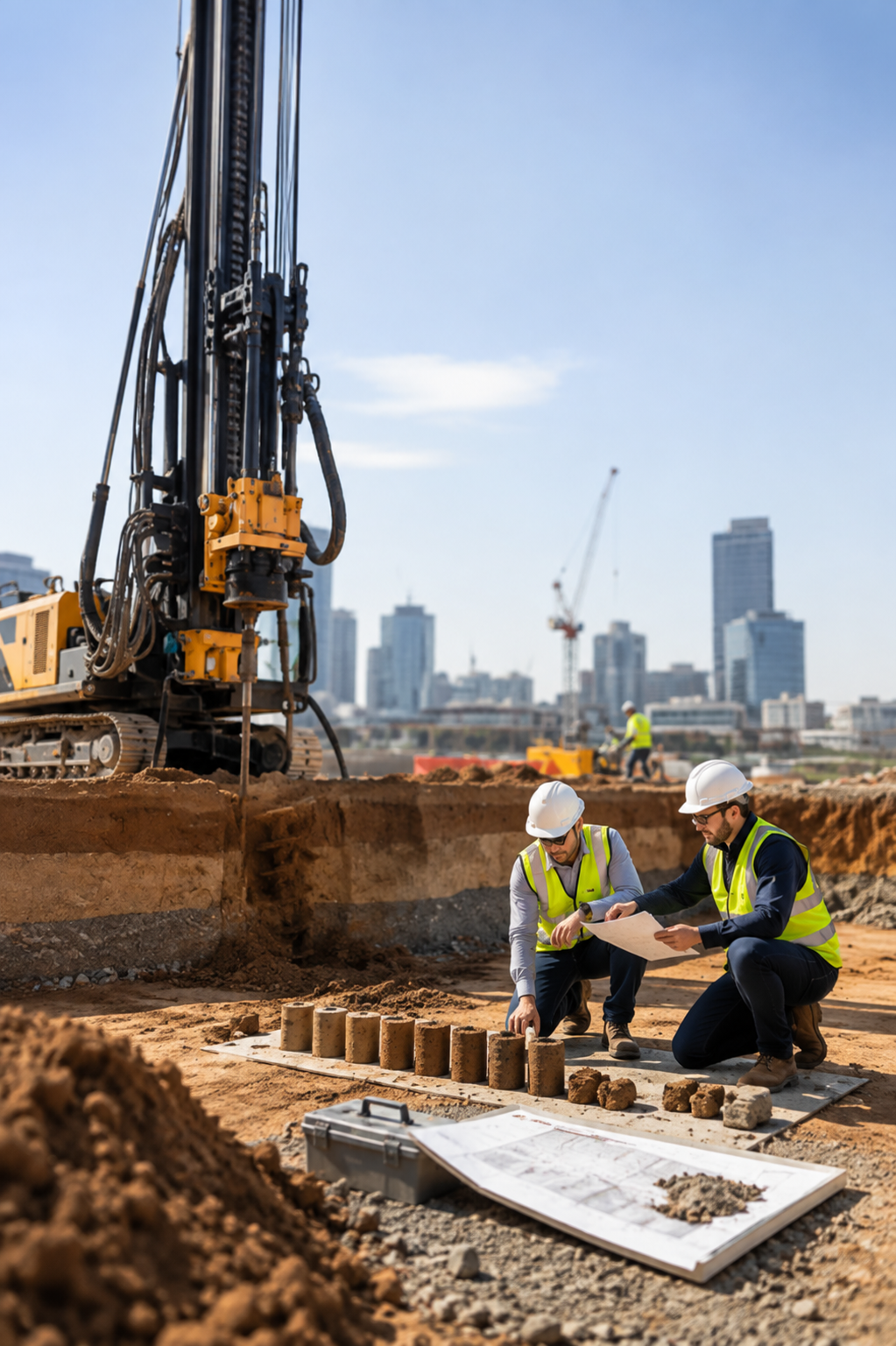
These methods help identify soil layers, rock types, and groundwater levels. Samples are collected from different depths to understand the ground profile.
Step 4: Soil Sampling and In-Situ Testing
During drilling, soil samples are carefully collected for analysis. In addition, in-situ tests like the Standard Penetration Test (SPT) are performed to measure soil strength and resistance.
These tests provide valuable data about:
- Soil composition
- Bearing capacity
- Moisture content
- Compaction characteristics
Step 5: Laboratory Testing
Collected samples are sent to a laboratory for detailed analysis. Engineers test for properties such as strength, compressibility, and chemical composition.
This stage helps determine how the soil will behave under load and whether it is suitable for construction.
Step 6: Data Analysis and Interpretation
After field and laboratory testing, geotechnical engineers analyze all collected data. They evaluate risks such as settlement, slope instability, or groundwater issues.
This step transforms raw data into practical insights that guide foundation design and construction methods.
Step 7: Geotechnical Report and Recommendations
The final stage is the preparation of a detailed geotechnical report. This document includes:
- Soil and rock profiles
- Test results
- Groundwater conditions
- Engineering recommendations
The report provides guidance on foundation type, excavation methods, and any necessary ground improvements.
What Happens After the Investigation?
After completing the report, engineers and designers use the findings to plan safe and efficient construction. If they identify any issues, they recommend practical solutions such as soil stabilisation or drainage improvements to address potential risks and ensure long-term structural stability.
conclusion
A geotechnical site investigation is a critical step in any construction project. It provides the information needed to design strong, stable foundations and avoid costly problems later.
By understanding what to expect during the process, you can ensure your project starts on the right footing. At OzGeos.com, professional geotechnical services help you make informed decisions and build with confidence.